
Doodle Teez or Blog
SherringenergyTeez is a creative endeavor to make a visual resource of energy medicine and this blog spot is a place to share information and stories with our personal journey to understanding energy medicine. Sharing everything energy and anything creative that makes remembering easier and fun. Doodle, Teez or Blog will be sometimes doodles, sometimes drawings, sometimes blogs, cheatsheets of energy techniques or research study breakdowns and wearable conversation starters with a some kind of energy connection. A place to learn how energy has a relationship in the physical world having a way to easily share.
Making energy visible is the goal and sharing is the vehicle ...

Part 1: Company-Funded Research Is Normal
 Sherri A. Nicholas
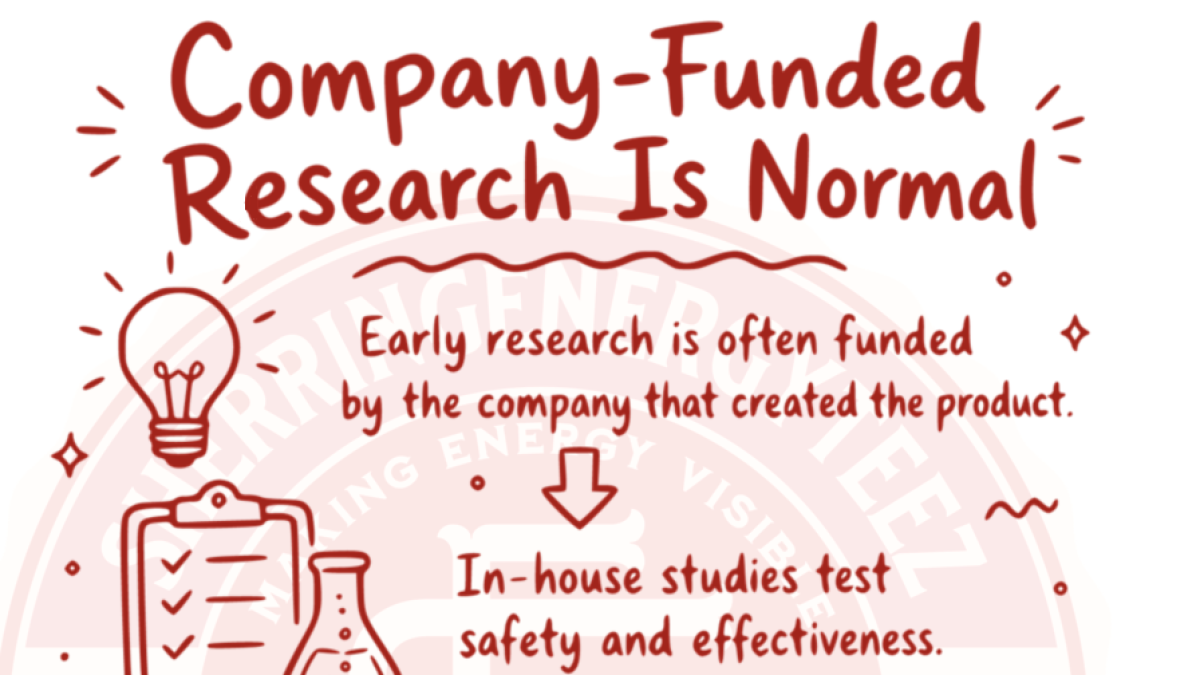
People act like company funding automatically disqualifies research, but in reality, early research is often funded by the company ...
This series is my attempt to create a more informed conversation around wellness research. Too often, people use oversimplified arguments about studies, testimonials, and credibility without really understanding how research pathways work—especially in the wellness world. In these posts, I’m breaking down the bigger picture: company-funded research, published vs. in-house studies, why independent research often comes later, the whole-person model in wellness, the role of testimonials, and the context behind the three wellness approaches I personally use.
People act like company funding automatically disqualifies research, but in reality, early research is often funded by the company across wellness, supplements, devices, and pharmaceuticals.
One of the quickest ways to tell whether someone understands research only superficially is when they say, “The company funded the study, so it doesn’t count.” That line gets used like it ends the conversation, but it really doesn’t. In most cases, it just shows that people do not understand how research often begins .
This is especially common in wellness. People want to sound evidence-based, but they often skip over the basic reality that somebody has to pay for early research. And more often than not, the first people willing to do that are the people who created the product .
That is not suspicious by default. It is normal.
Early research has to start somewhere
A lot of people talk as if the gold standard is for an independent institution to discover a product, become interested in it, apply for funding, run a study, and publish findings before the public ever hears about it. That sounds clean. It also is not how things usually work.
In the real world, early research often starts with the company. Wellness companies fund their own studies, supplement companies do too, medical device companies do too, and pharmaceutical companies do too . That is often the first stage because outside funding is usually harder to get until there is already enough public attention, early data, product use, or commercial relevance to justify the investment .
So when people say, “Well, the company funded it,” my first thought is usually: yes, and who exactly did you think was going to fund it first?
That does not mean the research should be accepted without question. It means people should understand the stage they are looking at.
Company-funded does not automatically mean invalid
Funding source matters. Bias matters. Incentives matter. Conflicts of interest matter. None of that should be ignored.
But that is not the same as saying company-funded research has no value.
If that were the standard, people would have to dismiss a huge amount of early research across multiple industries. This pattern is not unique to wellness. It also happens in supplements, devices, and pharmaceuticals. The early study is often not the final word. It is the first layer of information.
That is a much more honest way to look at it.
A company-funded study may show:
- early safety signals
- possible trends
- practical use patterns
- outcome measures worth tracking
- whether a product deserves deeper study
That is not meaningless. That is part of how a research pathway develops.
The better question is not just who paid
The smarter question is not just whether something was published or who funded it, but whether it was done well.
If people actually want to evaluate research instead of practicing skepticism, they should ask things like:
- Was there a control group?
- Was it blinded?
- Was it randomized?
- Was the sample size meaningful?
- Were the outcomes clear?
- Were the claims bigger than the data?
Those questions tell you much more than simply pointing at the funding source and acting like the conversation is over.
A poorly designed independent study is still a poorly designed study.
A carefully designed company-funded study may still offer useful information.
That distinction matters.
Why this point matters so much in wellness
The wellness industry is an easy target because it can be messy. Wellness can feel like the Wild West, with a mix of real help, over claiming, personal experience, business momentum, and uneven education .
That messiness is real. But that is also why people need to think more clearly, not more simplistically.
If a person already dislikes wellness products, then “the company funded it” becomes a convenient shortcut. They do not have to read the study, understand the design, or think about how research actually develops. They get to dismiss it immediately and still feel informed.
But that kind of reaction is not serious analysis. It is just a polished version of bias.
And to be fair, people inside wellness can have their own bias too. Some people are so excited about a product that they treat any company-funded study like final proof. That is not careful either.
The more mature position sits in the middle:
- do not blindly trust
- do not blindly dismiss
- understand what stage of evidence you are looking at
- ask better questions
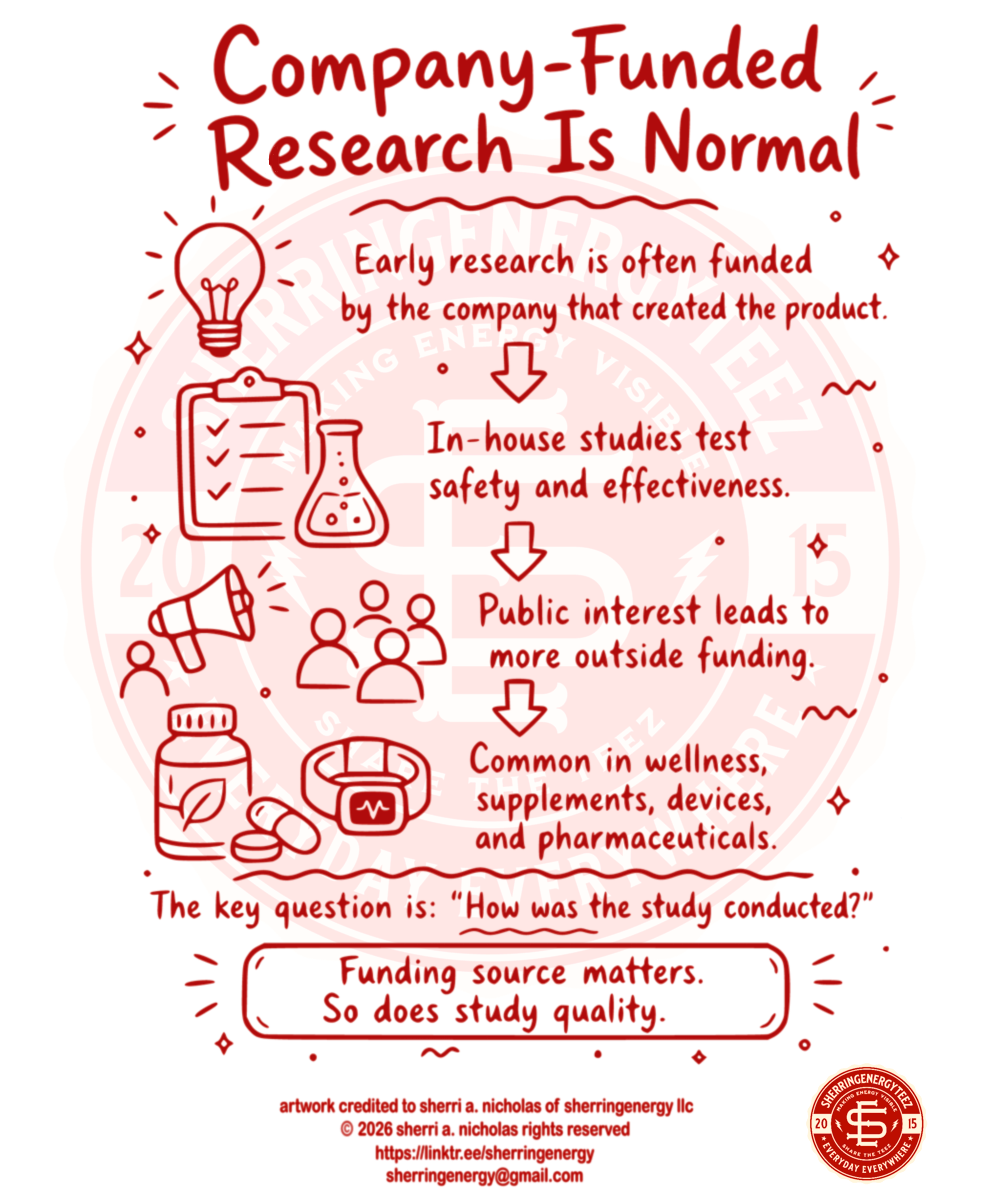
Outside funding is not easy to get
This is another piece people miss.
Outside research funding does not usually show up just because a product exists. Researchers, institutions, and funders often want to see some combination of market presence, early promise, observed results, public attention, or clinical interest before they commit resources .
That means a lot of wellness products are studied first by the companies behind them because those are the groups with the strongest motivation to explore the product early.
Again, that does not prove efficacy. It also does not prove fraud.
It simply reflects how product development and research pathways often work in the real world.
Research Literacy
A lot of conversations about wellness research are driven by posture, not understanding.
People want to sound intelligent, skeptical, and scientifically grounded. But if the entire argument stops at “the company funded it,” that is not research literacy. That is a slogan.
Research literacy means understanding:
- where studies usually begin
- why early research is often internal
- what makes a study stronger or weaker
- why evidence develops over time, not all at once
Education Matters
Company-funded research is not the end of the conversation. Most of the time, it is the beginning of one.
In wellness, supplements, devices, and even pharmaceuticals, early research often starts with the company because outside funding usually comes later, after interest and early data exist . That reality does not make company-funded research automatically trustworthy, but it also does not make it automatically worthless.
What matters is whether people are willing to look deeper.
The question is not just who paid.
The question is what was done, how well it was done, and what the findings actually mean.
That is a smarter place to start.
“Funding source matters, but it is not the whole story. Next, it helps to understand why published papers and in-house studies both have a role.
Company funding is often where research begins, but that leads to the next question: what is the difference between published studies and in-house studies, and how much weight should each one carry?
Next in this series: Part 2: Published Papers and In-House Studies Both Matter—and why people oversimplify that difference too often.
“The greatest enemy of knowledge is not ignorance, it is the illusion of knowledge.”
— Daniel J. Boorstin
6a96e2d1e63e3_lg.png)
Super Patch Blogs
Find Your Super Patches - Quiz
Try Super Patch with SherringSensorySignals
Super Patch Conversation Starters
SHERRINGENERGYTEEZ LINKTREE
©2026 Sherri A Nicholas All Rights Reserved

Categories: : Eden, Lifewave, Research Breakdown, Super Patch

The PEACE Patch, powered by haptic Vibrotactile Technology (VTT), significantly reduced anxiety and improved mental health in adults,
PEACE Patch offers user-friendly, and effective approach to managing anxiety—backed by promising clinical data and high and high user s ...
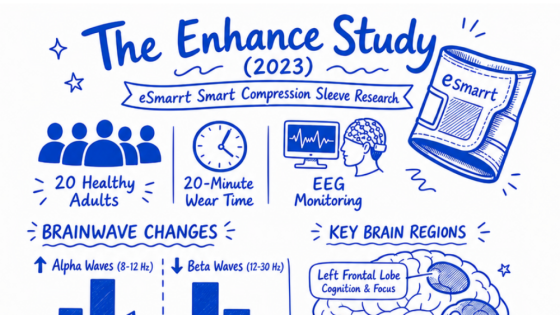
What Happens to the Brain When You Wear a Vibrotactile Sleeve? A simple breakdown of a small EEG study on haptic vibrotactile trigger ...
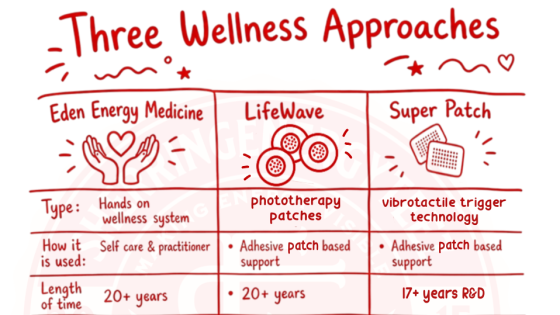
The three wellness approaches I use regularly are Eden Energy Medicine, LifeWave, and Super Patch...
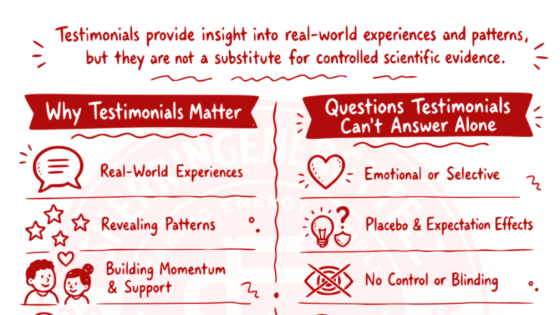
Testimonials are a huge part of the wellness world, and especially of network marketing culture . They help create momentum ...
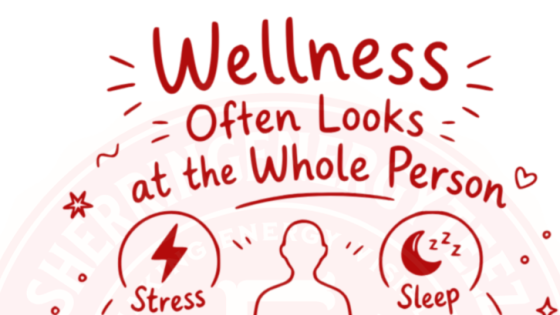
One of the things the wellness industry gets right, when it is operating at its best, is that it often looks at the whole person instead of ...