
Doodle Teez or Blog
SherringenergyTeez is a creative endeavor to make a visual resource of energy medicine and this blog spot is a place to share information and stories with our personal journey to understanding energy medicine. Sharing everything energy and anything creative that makes remembering easier and fun. Doodle, Teez or Blog will be sometimes doodles, sometimes drawings, sometimes blogs, cheatsheets of energy techniques or research study breakdowns and wearable conversation starters with a some kind of energy connection. A place to learn how energy has a relationship in the physical world having a way to easily share.
Making energy visible is the goal and sharing is the vehicle ...

Part 6: My Tools— Eden Energy Medicine, LifeWave, and Super Patch
 Sherri A. Nicholas
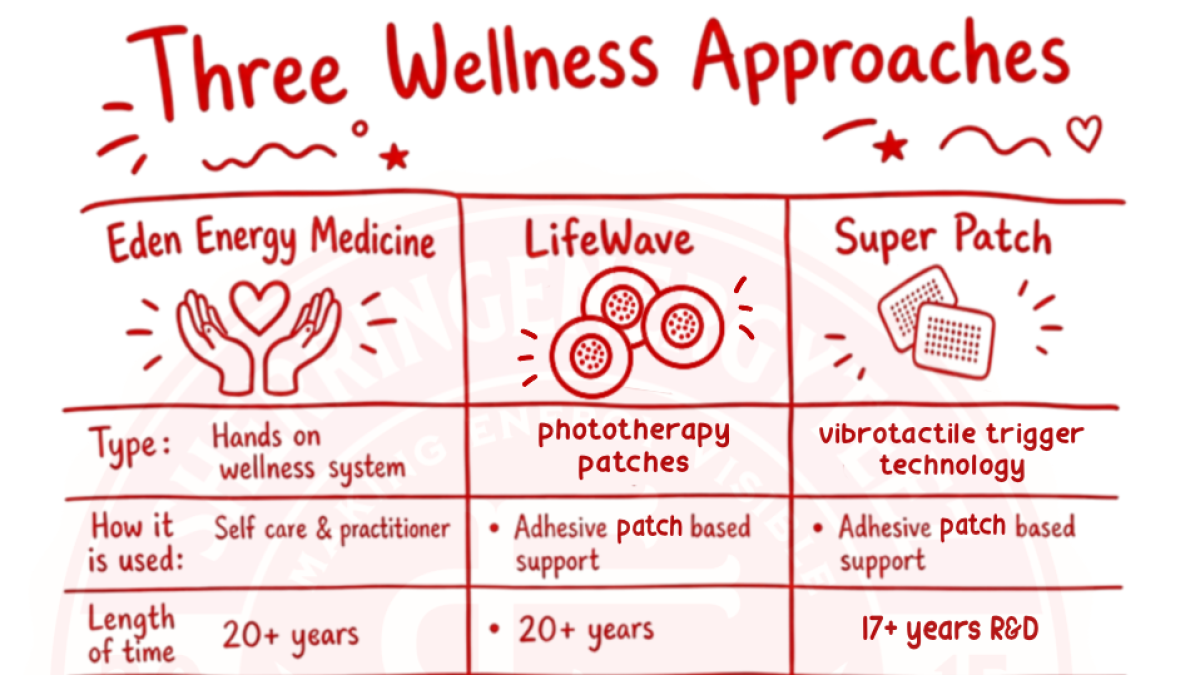
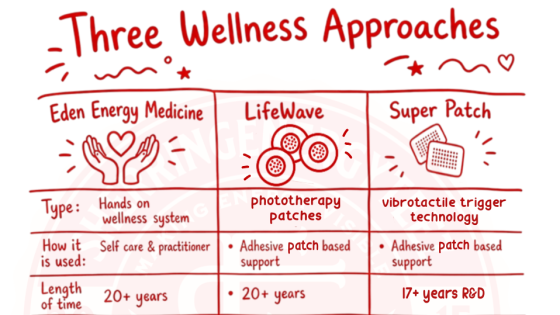
The three wellness approaches I use regularly are Eden Energy Medicine, LifeWave, and Super Patch...
This series is my attempt to create a more informed conversation around wellness research. Too often, people use oversimplified arguments about studies, testimonials, and credibility without really understanding how research pathways work—especially in the wellness world. In these posts, I’m breaking down the bigger picture: company-funded research, published vs. in-house studies, why independent research often comes later, the whole-person model in wellness, the role of testimonials, and the context behind the three wellness approaches I personally use.
After all the bigger points in this series, I think it helps to say clearly where I’m actually coming from.
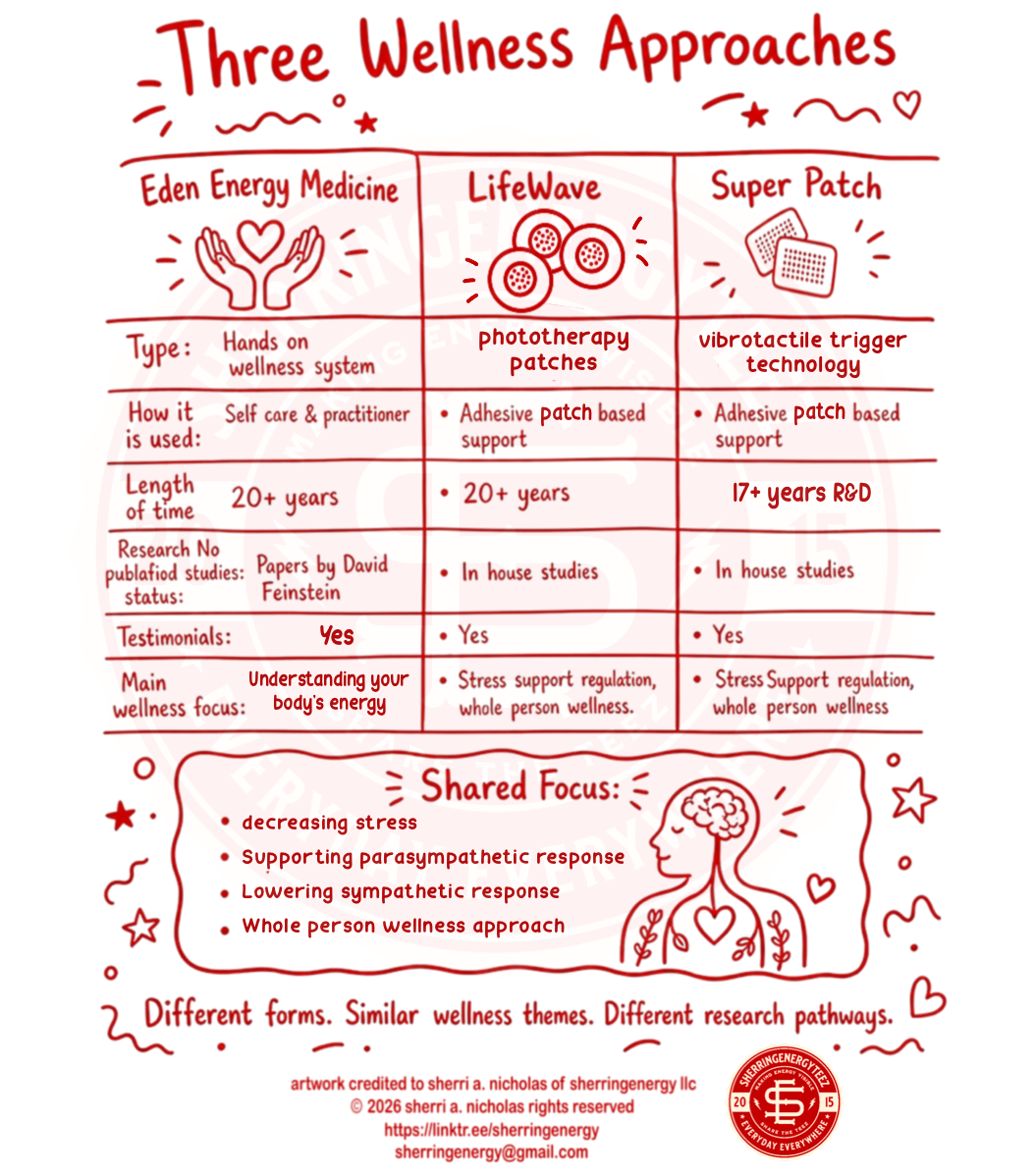
This is not abstract for me. I’m not talking about wellness research from a distance. The three wellness approaches I use regularly are Eden Energy Medicine, LifeWave, and Super Patch. They are different in form, different in how they are used, and different in where they sit in the research conversation. But they also overlap in some important ways.
That overlap is part of why I wanted to write this series in the first place.
A lot of people want to jump straight into debating whether a product or method “works” without first understanding how research develops, how testimonials function, or why the wellness industry often looks at different kinds of outcomes than conventional models do. But that is exactly why these conversations get shallow so quickly. People often throw around phrases like “the company funded the study” as if that ends the conversation, when really it usually shows a limited understanding of how research actually works .
That larger point matters to me because these are not identical wellness tools, and they should not all be forced into the exact same box.
Three Approaches: Not The Same Thing
One of the problems in wellness conversations is that people lump everything together too fast.
Eden Energy Medicine is not the same kind of thing as LifeWave.
LifeWave is not the same kind of thing as Super Patch.
And Super Patch is not the same thing as a hands-on energy practice.
That should be obvious, but people still flatten the conversation all the time.
For me, Eden Energy Medicine, also known as the Eden Method, stands apart because it is hands-on. It includes self-care practices and practitioner-based techniques. It is something a person does and experiences through direct engagement with the body.
LifeWave and Super Patch are different because they are wearable patch-based wellness products. They belong more clearly in the product category, even if the conversation around them still overlaps with broader nervous system and stress-support themes.
So while all three live in the wellness space, they are not interchangeable. They just happen to meet in some of the same bigger conversations.
In Common
Even though they are different in form, all three connect around a similar general theme: stress, regulation, and the body’s ability to settle.
That matters because one of the strongest ideas in your uploaded blog is that wellness often focuses on the whole person rather than only chasing isolated symptoms. It pays attention to things like stress, sleep, recovery, nervous system regulation, resilience, and daily function. That broader lens is part of what draws many people to wellness in the first place.
That is also where I see overlap among Eden Energy Medicine, LifeWave, and Super Patch.
All three, in different ways, fit into a wellness conversation that includes:
- decreasing stress
- calming the sympathetic nervous system response
- supporting a stronger parasympathetic response
- helping the body shift toward better regulation
I think that matters more than people realize, because stress physiology affects much more than one isolated symptom. And when wellness approaches are built around helping the body settle, regulate, and recover, they are often speaking to a pattern that many people already recognize in themselves.
That does not prove every claim. It does explain why these approaches resonate.
Testimonial Culture
Another thing these three have in common is that all of them live in a world where testimonials matter.
And honestly, that is not surprising.
Testimonials are a major part of the wellness industry, and they can show real-world experiences, reveal patterns, build support, and sometimes become the first sign that something deserves closer attention. At the same time, testimonials are not controlled evidence, and they should not be treated like stand-alone proof .
That framework applies here too.
Eden Energy Medicine has testimonials.
LifeWave has testimonials.
Super Patch has testimonials.
That does not make them fake. It also does not make them conclusive.
It simply means they are part of how these approaches are experienced, shared, and discussed in the real world. And if people are going to evaluate them honestly, they need to know how to hold testimonials in the right place: meaningful, human, useful, and incomplete.
Research Pathways: Not the Same
This is probably one of the most important reasons I wanted to include this part.
These three approaches may overlap in wellness themes, but they do not all have the same research pathway.
And that matters.
Research develops in layers over time. A company study may be the first clue. A published paper may add another layer. Testimonials show what people are noticing in real life. Independent research may come later. None of those pieces should stand alone, but together they start to form a fuller picture.
That framework helps here because it makes room for the fact that different wellness systems and products can sit in different places along that path.
For example:
- some may have more formal in-house studies
- some may have more longevity in the wellness space
- some may have stronger practitioner traditions
- some may have more testimonial volume than published material
- some may have writing and theory around them without product-style published studies
That does not mean they should all be evaluated the same way. It means they should be understood in context.
Context Matters
This is really the whole reason for the series.
Before people start arguing over specific brands, methods, or products, I think they need a better framework for understanding what they are looking at. The conversation needs more context and a lot less skepticism.
That applies directly to the three wellness approaches I use.
If someone looks at Eden Energy Medicine as if it should be measured in a lab with a ruler, they may miss what is about.
If someone looks at LifeWave or Super Patch and expects them to have followed the exact same research path as medical or pharmaceutical structure, they may also miss the reality of how wellness products often develop.
Context is necessary.
Without it, people either overstate or oversimplify. And neither one is helpful.
Why These Three
I wanted to name these three because they are the actual wellness systems and products I have personal experience with, and they are part of what shaped my thinking around this whole topic.
I also know that when people ask questions about wellness research, they are often not asking in the abstract. They are trying to make sense of something specific. They want to know:
- how to think about in-house studies
- how to think about testimonials
- how to think about products or practices that have been around for years
- how to think about approaches that support stress reduction and nervous system regulation
- how to think when published evidence is uneven, incomplete, or still developing
Not to force everything into a neat answer.
But to give people a better lens.
Teaching Tee
Another layer of this for me is that wellness is not always introduced in a formal setting. Sometimes it starts in ordinary life — through a question, a comment, a shared experience, or even a T-shirt.
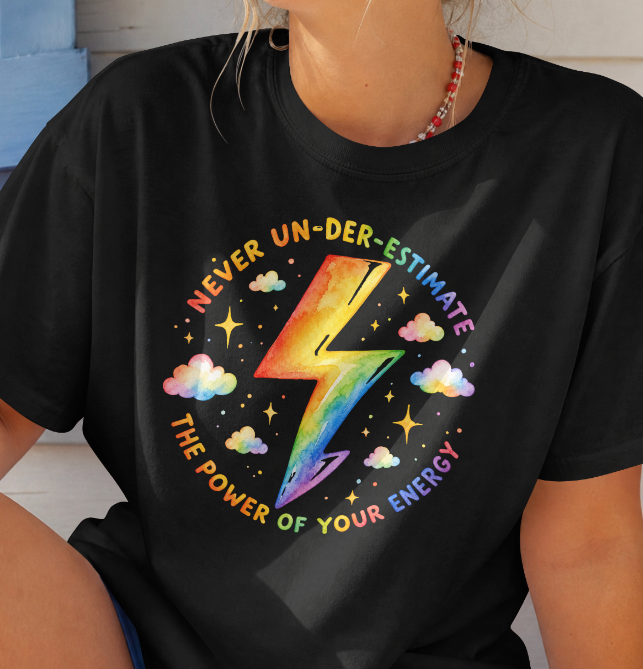
The shirt in the image says, “Never Un-DER-estimate the Power of Your Energy,”. It is works as a conversation starter. Someone notices it and asks what it means, or gets curious about the phrase — and suddenly you are not having a heavy, abstract conversation about wellness. You are having a simple human conversation about energy, stress, regulation, and how people actually feel in their bodies.
I like that because sometimes wellness education needs to starts small.
Sometimes it is not a study.
Sometimes it is not a presentation.
Sometimes it is not a product explanation.
Sometimes it is just an opening.
That is what I mean by "teaching from a tee". Not preaching. Not overexplaining. Just creating an approachable doorway into a larger conversation.
And that fits especially well with Eden Energy Medicine, because one of the things I appreciate about it is that it gives people practical ways to work with their own body. One example is the Daily Energy Routine — a brief set of simple self-care practices from Eden Energy Medicine that many people use daily as a way to support energy, regulation, and overall resilience. It is hands-on, consistent, and grounded in the idea that small daily practices matter.
I think that part is important. Wellness is not only about what people believe. It is also about what they actually do.
A daily routine, a wearable tool, a hands-on practice, or even a T-shirt that opens a meaningful conversation can all become part of how wellness is lived and shared. And honestly, that may be one of the most relatable parts of this whole conversation: people often become open to learning not through a study or a sales pitch, but through curiosity.
A phrase.
A visual.
A question.
A simple daily practice.
That is often how bigger understanding begins.
Final Verdict
That may be the most important point of all.
Research is more like building a case over time than delivering a final verdict overnight.
No conversations should be reduced to one study, one testimonial, one criticism, or one slogan.
They need context.
They need proportion.
They need a better understanding of how evidence develops.
And they need people who are willing to think in something more than black-and-white terms.
Foundation for Thinking More Clearly
This series was meant to create a foundation for thinking more clearly about wellness research: company-funded studies, published papers, in-house studies, independent follow-up, whole-person wellness, and testimonials all belong in the conversation, but none of them should be treated like the whole story by themselves .
For me, that conversation becomes very practical through Eden Energy Medicine, LifeWave, and Super Patch.
They are different.
They have different forms.
They have different research pathways.
But they also meet in the larger wellness conversation around stress, regulation, testimonials, and how people try to support the body more holistically.
Not because it settles everything.
But because it helps people ask better questions.
This series is really a foundation for me, and from here I’ll be looking more closely at the research, real-world use, and bigger wellness conversation surrounding Eden Energy Medicine, LifeWave, and Super Patch.
“The greatest enemy of knowledge is not ignorance, it is the illusion of knowledge.”
— Daniel J. Boorstin
6a96e2d1e63e3_lg.png)
Super Patch Blogs
Find Your Super Patches - Quiz
Try Super Patch with SherringSensorySignals
Super Patch Conversation Starters
SHERRINGENERGYTEEZ LINKTREE
©2026 Sherri A Nicholas All Rights Reserved
Categories: : Blog, Doodle, Eden, Lifewave, Research Breakdown, Super Patch, Teez
The PEACE Patch, powered by haptic Vibrotactile Technology (VTT), significantly reduced anxiety and improved mental health in adults,
PEACE Patch offers user-friendly, and effective approach to managing anxiety—backed by promising clinical data and high and high user s ...
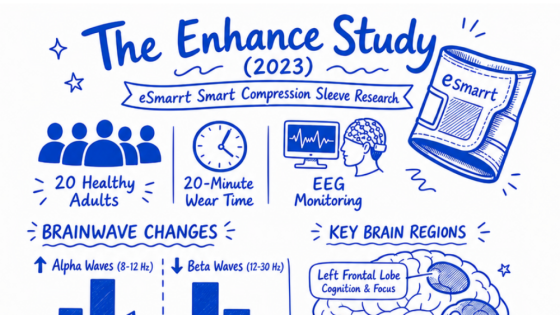
What Happens to the Brain When You Wear a Vibrotactile Sleeve? A simple breakdown of a small EEG study on haptic vibrotactile trigger ...
The three wellness approaches I use regularly are Eden Energy Medicine, LifeWave, and Super Patch...
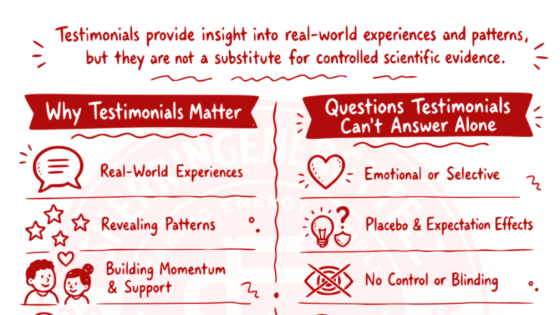
Testimonials are a huge part of the wellness world, and especially of network marketing culture . They help create momentum ...
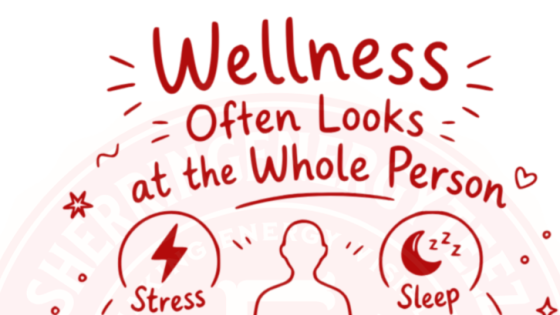
One of the things the wellness industry gets right, when it is operating at its best, is that it often looks at the whole person instead of ...