
Doodle Teez or Blog
SherringenergyTeez is a creative endeavor to make a visual resource of energy concepts. This blog spot is a place to share information and stories with our personal journeys understanding energy medicine. Sharing creatively so remembering easier and fun. Doodle, Teez or Blog will be sometimes doodles, sometimes drawings, sometimes blogs, cheatsheets of techniques or research study breakdowns. Wearable conversation starters is a passion with a some kind of energy, research or tech connection. A place where I learn by reading, writing and drawing how energy has a relationship in the physical world. This is my way to easily share.
Making energy visible is the goal and sharing is the vehicle ...

Study Breakdown:The PEACE Patch and VTT 2024
 Sherri A. Nicholas

PEACE Patch offers user-friendly, and effective approach to managing anxiety—backed by promising clinical data and high and high user satisfaction
What the PEACE Patch Study Found
Stress and anxiety can feel like your brain has too many tabs open at once. The study behind the PEACE Patch says this matters because anxiety is common and can affect daily life, sleep, and overall well-being, while non-drug options are still underused. That is the problem the researchers wanted to explore: could a small wearable patch offer a simple, non-invasive way to help people feel better?
What is the PEACE Patch?
The PEACE Patch is designed with haptic vibrotactile trigger technology, or VTT, which means it uses touch-based vibration patterns meant to stimulate the skin and, according to the authors, influence neural pathways connected to stress and anxiety.
The patch is trying to “talk” to the nervous system through touch instead of through drugs. It is like sending a small signal through the skin so the brain responds in a calmer way.
What does VTT mean?
VTT stands for Vibrotactile Trigger Technology. In the study, the researchers describe it as a haptic technology that creates feedback through tactile sensation and is intended to engage the nervous system. The authors also connect it to earlier haptic research showing that touch-based stimulation may affect brain activity and sensory processing .
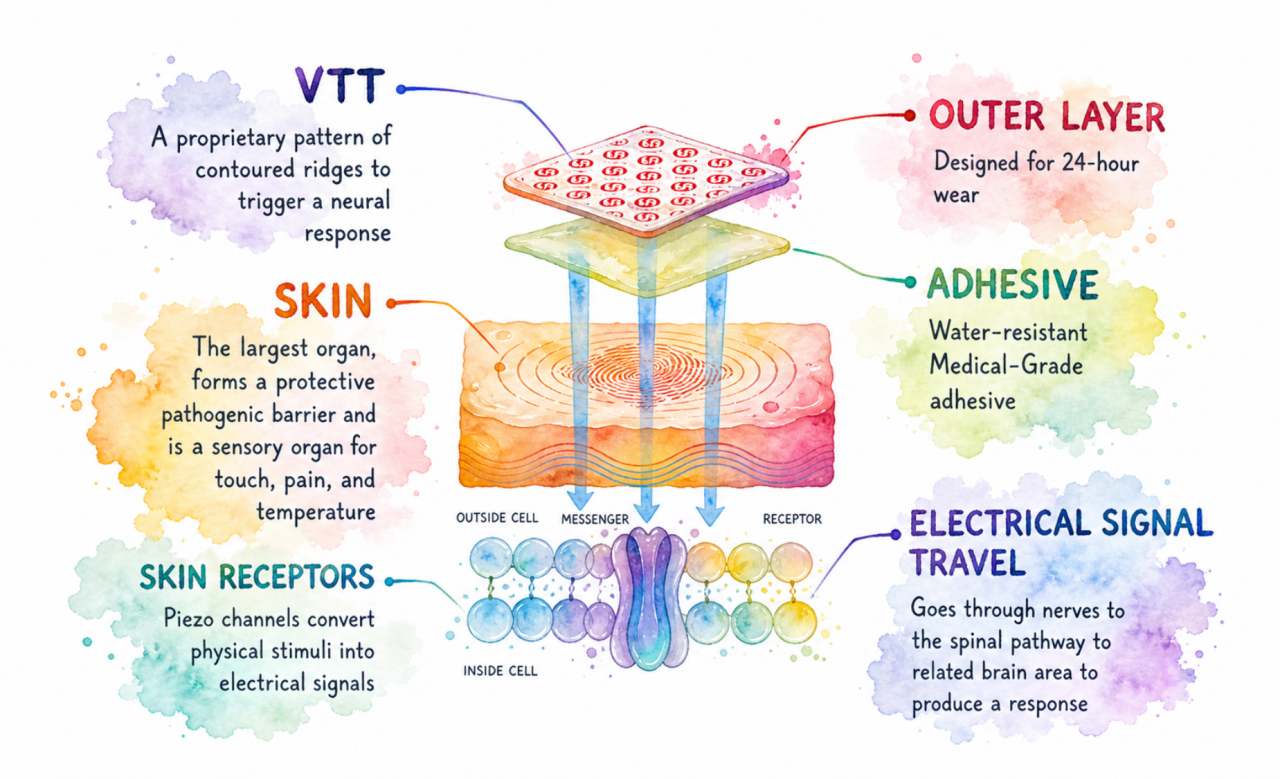
VTT = a touch-based pattern built into the patch that is meant to activate sensory pathways and support relaxation
How the Study was Done
This was an IRB-approved, blinded, minimal-risk observational study. A total of 65 patients took part in the treatment group, including 49 females and 16 males, across 3 U.S. investigator sites. The average age at baseline was 46.8 years.
Participants completed surveys at baseline, day 7, and day 14 using tools like the Perceived Stress Scale (PSS) [This simple test will measure the stress in your life using the Perceived Stress Scale (PSS)] and the SF-20 health survey. [The 20-Item Short Form Survey (SF-20) from the RAND Medical Outcomes Study was designed to facilitate group health comparisons.] The PEACE Patch was worn on the forearm each day.
What Did Researchers Find
The biggest result was a drop in perceived stress. On the PSS, the treatment group’s mean score went from 21.05 at baseline to 13.95 after 14 days, which the study says was a 33% decrease and moved stress levels from moderate to low.
The SF-20 mental health domain also improved. The study reports a 23.8% increase in mental health score from 64.2% at baseline to 79.5% at day 14. Health perception also improved from 83.6% to 86.5% over the same period.
The human side of the study matters too: by day 14, over 90% of patients said they were satisfied with the patch, and about 90% said they would recommend it to others. The study also reports no side effects or serious adverse events in the active-patch group.
Replace Medication?
Not really—at least not yet. At baseline, 17% of patients were using prescription or over-the-counter medication for stress or anxiety, and the study says there were no significant changes in medication use after 14 days.
Interestingly, the number of people trying other supportive activities like exercise, massage, yoga, swimming, and behavioral therapy increased during the study period. The authors suggest the patch may have encouraged some people to begin or return to healthier habits.
Why Does This Study Matter?
This study points to a possible drug-free support option for people dealing with stress and anxiety. That matters because the paper highlights problems with standard anxiety treatments, including side effects, misuse risk, and the fact that not everyone can tolerate medication or stick with therapy long term.
If future studies confirm these findings, the PEACE Patch could become part of a multimodal approach to anxiety care, meaning it could be used alongside other tools like therapy, exercise, or medication when needed.
Limits??
The paper says this was an interim analysis and that results are based on the treatment group only. It was also nonrandomized and observational, so it cannot prove the patch caused the improvements by itself.
The authors say more research, including randomized controlled trials, is needed before making strong conclusions.
Lower Stress??
The PEACE Patch with VTT is a wearable, non-drug patch that uses touch-based stimulation, and in this early study it was linked with lower stress, better mental health scores, high satisfaction, and no reported side effects.
PEACE Patch Study (2024)
- What it is: A topical, non-invasive patch with VTT technology
- Who was studied: 65 adults with stress/anxiety symptoms
- How long: 14 days
- Main result: PSS stress scores dropped 33%
- Mental health result: SF-20 mental health improved 23.8%
- User feedback: Over 90% satisfaction and recommendation rate
- Safety: No side effects or serious adverse events reported
- Limitations: Early study, not enough to prove it works for everyone
Peace Patch Study Doodle
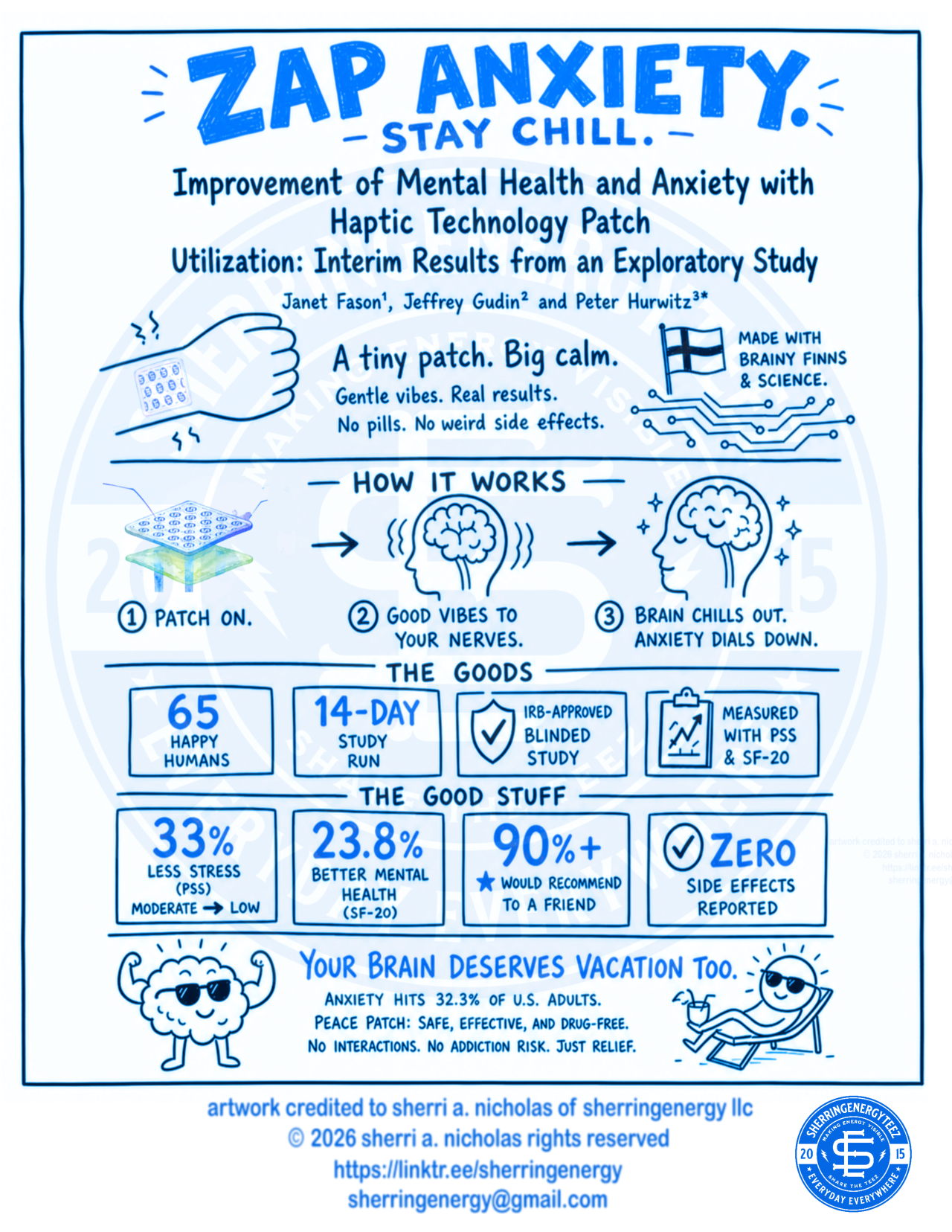
PEACE Patch Study (2024) Highlights
Aspect |
Key Points |
What is the PEACE Patch? |
• Topical, over-the-counter patch • Delivers haptic (vibration-based) stimuli to the skin • Uses VTT (Vibrotactile Trigger Technology) developed with VTT Technical Research Centre of Finland • Non-invasive, non-pharmacological |
How Does It Work? |
• Applies gentle, patterned vibrations to the skin • Aims to modulate neural pathways and influence brain centers associated with stress and anxiety • Theorized to alter brain patterns via haptic input |
Study Design |
• IRB-approved, blinded, minimal-risk observational study • 65 adult participants with stress/anxiety symptoms • 14-day usage period • Measurement tools: Perceived Stress Scale (PSS), SF-20 Health Survey |
Key Results |
- 33% reduction in PSS scores(moderate → low stress) -23.8% improvement in mental health(SF-20) • Over90% satisfaction; most would recommend -No side effects or serious adverse events reported |
VTT Collaboration |
• VTT Technical Research Centre of Finland co-developed the haptic technology • Provided expertise in vibrotactile engineering and neural pathway targeting |
Conclusions |
• PEACE Patch is a promising, safe, and effective non-drug option for anxiety • Potential to reduce reliance on medications • Well-tolerated and easy to use |
Limitations & Future |
• Interim results; larger, longer-term studies needed • Self-reported outcomes • Funded by Srysty Holding Co.; authors compensated |
Super Patch Studies
Reference:
Janet Fason1, Jeffrey Gudin2 and Peter Hurwitz3*
6a96e2d1e63e3_lg.png)
Super Patch Blogs
Find Your Super Patches - Quiz
Try Super Patch with SherringSensorySignals
Super Patch Conversation Starters
SHERRINGENERGYTEEZ LINKTREE
©2026 Sherri A Nicholas All Rights Reserved
A Few Important Disclosures Before We Stick This on the Internet
Some links in this blog may be affiliate links. If you purchase through one of them, I may earn a commission—at no additional cost to you. In other words, the patch may stick to you, and the affiliate link may stick to my wallet.
Product claims belong to the brand or are based on the studies cited. They should not be treated as my personal guarantee, a medical endorsement, or proof that every patch will work for every person. The brand states that its patches are not intended to diagnose, treat, cure, or prevent disease.
This blog provides general information and is not personal medical advice. I am sharing what I found, not handing out medical prescriptions from my keyboard. If you are considering a patch because of ongoing symptoms, an existing condition, skin sensitivity, pregnancy, breastfeeding, or a change to your current care, talk with a licensed healthcare professional first.
So… Does Super Patch Really Work?
The honest answer is: there is no single answer for every patch, every person, or every advertised result.
The research I reviewed applies to specific products and specific outcomes. Different studies have different designs, comparison groups, follow-up periods, strengths, and limitations. A study about one patch does not automatically prove that every other patch works the same way.
Before deciding what the evidence means, ask:
- Which exact patch was studied?
- What result did the study measure?
- Was there a comparison group?
- How long were participants followed?
- Was the result based on personal questionnaires, physical measurements, or something else?
- Does the study actually match the reason you are considering the patch?
A positive result may be worth exploring, but it is not a personal guarantee. Feeling better is possible, but it is not promised here—and neither is a miracle hiding under a square of adhesive.
If you discuss a patch with your healthcare professional, bring the actual study, product page, or link. That way, you are both looking at the same evidence instead of trying to explain the science from memory while holding a tiny patch.
My Personal Bottom Line
I can be curious without being completely convinced. I can appreciate a product’s potential while still asking questions about the evidence, cost, side effects, return policy, and whether the exact claim matches the exact study.
Please do your own research, read the fine print, and consult a licensed healthcare professional before treating a purchase as a healthcare decision. And, for the record, do not stop prescribed treatment because a blog—or a persuasive patch website—made a confident impression.
Disclosure: This section is intended for use throughout my Super Patch blogs. Details such as prices, policies, studies, and product claims can change, so check the current product information before making a decision.
CONTACT
For all returns, exchanges, or reship requests, please contact our Returns Department at returns@superpatch.com with your order number and details.
Categories: : Blog, Brain, Doodle, Research Breakdown, Super Patch
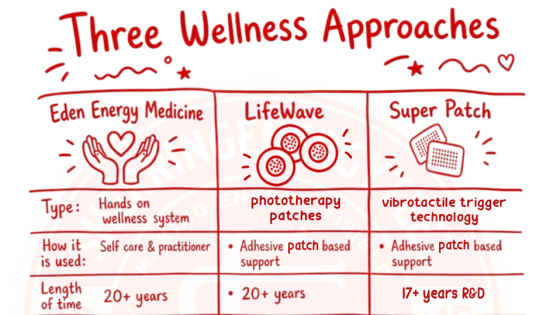
The three wellness approaches I use regularly are Eden Energy Medicine, LifeWave, and Super Patch...
RESTORE 2025 is the most convincing of the three studies because it adds randomization, blinding, a larger placebo-controlled comparison, ...
A simple breakdown of what the RESTORE study tested, what it found, and what still needs a closer look.
The 2024 HARMONI study examined the FREEDOM Super Patch with haptic vibrotactile trigger technology in adults with arthritic, neuropathic, ...
The 2022 HARMONI Study examined the FREEDOM Super Patch with haptic vibrotactile trigger technology in 148 adults with arthritis, nerve, ...
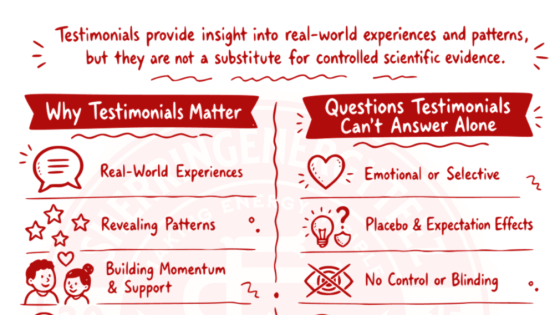
Testimonials are a huge part of the wellness world, and especially of network marketing culture . They help create momentum ...