
Doodle Teez or Blog
SherringenergyTeez is a creative endeavor to make a visual resource of energy medicine and this blog spot is a place to share information and stories with our personal journey to understanding energy medicine. Sharing everything energy and anything creative that makes remembering easier and fun. Doodle, Teez or Blog will be sometimes doodles, sometimes drawings, sometimes blogs, cheatsheets of energy techniques or research study breakdowns and wearable conversation starters with a some kind of energy connection. A place to learn how energy has a relationship in the physical world having a way to easily share.
Making energy visible is the goal and sharing is the vehicle ...

Part 5: Testimonials Have Value, But They Also Have Limits
 Sherri A. Nicholas
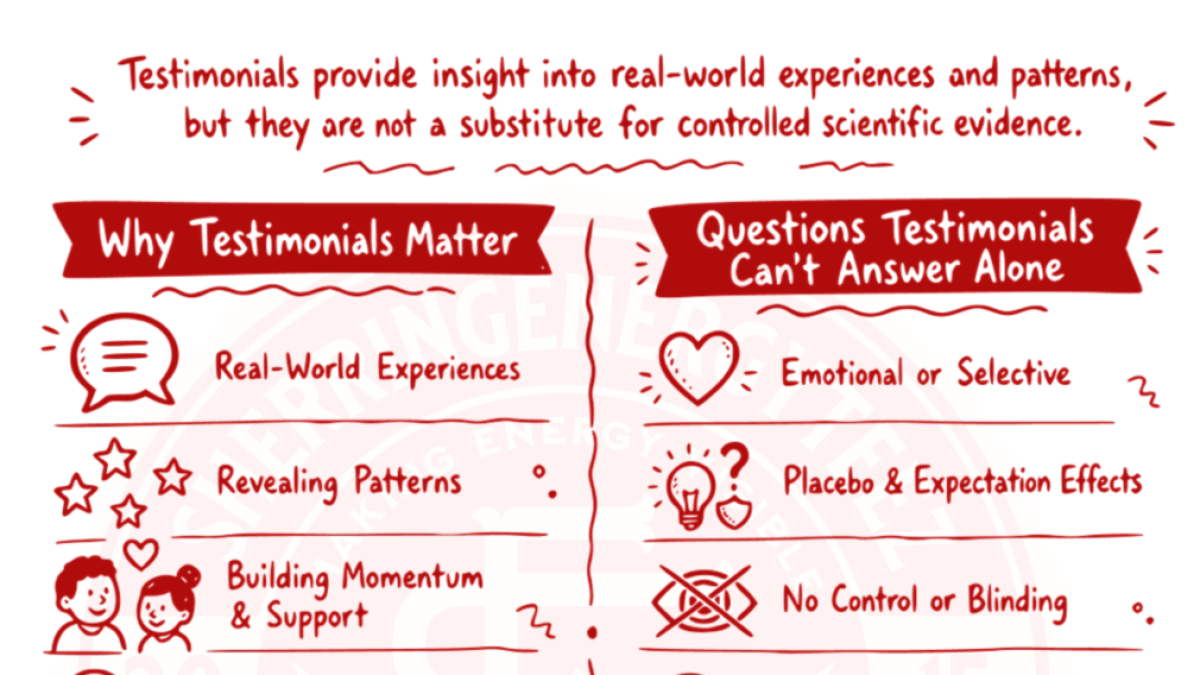
Testimonials are a huge part of the wellness world, and especially of network marketing culture . They help create momentum ...
This series is my attempt to create a more informed conversation around wellness research. Too often, people use oversimplified arguments about studies, testimonials, and credibility without really understanding how research pathways work—especially in the wellness world. In these posts, I’m breaking down the bigger picture: company-funded research, published vs. in-house studies, why independent research often comes later, the whole-person model in wellness, the role of testimonials, and the context behind the three wellness approaches I personally use.
Testimonials are a huge part of the wellness world, and especially of network marketing culture . They help create momentum, build belief, and give people language for what they think they are experiencing . That does not automatically make them bad. But it also does not make them proof.
I think this is one of the places where people on both sides get a little lazy. Some people lean on testimonials too heavily, like a powerful story should settle the whole conversation. Other people dismiss testimonials completely, as if lived experience means nothing unless it shows up in a formal study. I do not think either reaction is very thoughtful.
Testimonials do have value. They show real-world experiences, they can reveal patterns, they can build confidence, and sometimes they are the first sign that something deserves closer attention . That matters. In wellness, real people often notice things long before formal research catches up. So I do not think testimonials should be brushed off like they are meaningless.
At the same time, they are still only one part of the picture.
Why testimonials matter
One reason testimonials matter is because they show what people are actually noticing in daily life. Not in a lab. Not in theory. In real life.
That kind of feedback can be useful. It can show consistency in outcomes people are talking about. It can point toward patterns worth paying attention to. It can help people feel less alone when they are trying something that supports stress, sleep, recovery, resilience, or nervous system regulation. It can also create a bridge between a product or practice and the people who are curious about it but want to hear from actual users first.
That is part of why testimonials are so powerful in wellness. They are relatable. They are human. They give a face and a story to something that might otherwise feel abstract.
And in network marketing, that matters even more. Testimonials often become part of the momentum behind the product. They create social proof. They create hope. They create belief that change is possible.
None of that is automatically wrong. It is just real.
Why testimonials are not the same as evidence
The problem starts when people confuse a testimonial with proof.
Your blog says this very clearly: testimonials are not the same thing as controlled evidence. That is such an important distinction, because people can have genuine experiences and still not be able to prove exactly what caused them.
A person may feel better because of the product itself.
They may feel better because they are finally being consistent about something.
They may feel better because they are paying more attention to their body.
They may feel better because stress came down.
They may feel better because several things shifted at the same time .
That is why testimonials need context.
A story can be true and still not answer every question. It can be sincere and still not be scientifically reliable on its own. That does not make the person dishonest. It just means human experience is more complicated than a single before-and-after statement.
Real stories still come with real questions
This is where wellness needs more maturity.
People can be influenced by excitement, expectation, timing, lifestyle changes, sales energy, or even the desire to belong to something hopeful . That is real. It is also very human.
Some testimonials are completely genuine and still incomplete. Some are exaggerated. Some are selective. Some leave out the bigger picture. A person may tell the part of the story that feels most dramatic and leave out everything else that was happening at the same time. That is not unique to wellness. That is just how people tell stories.
But in wellness, especially in communities where people are excited and deeply invested, the emotional charge around a testimonial can be strong. People want to share what helped them. They want to encourage others. They want to celebrate positive changes. That is understandable.
Still, understanding the limits of a testimonial is part of being responsible.
Testimonials can point to patterns
Even with those limitations, I still think testimonials matter more than critics often admit.
When enough people keep reporting similar experiences, it can create a signal worth paying attention to. It may not prove the mechanism. It may not settle the question. But it can suggest that something deserves more observation, more discussion, or more study.
That is part of the “case-building” idea in your original blog. Research is more like building a case over time than delivering a final verdict overnight . A company study may be one clue. A published paper may add another layer. Testimonials show what people are noticing in real life . Independent research may come later .
That is a much more honest framework than pretending testimonials either prove everything or mean nothing.
They do not prove everything.
They also do not mean nothing.
This is where the wellness world gets messy
This is also why the wellness space can feel like the Wild West sometimes .
There is often a mix of real help, overclaiming, business momentum, personal experience, uneven education, and incomplete understanding of how the body works . Testimonials sit right in the middle of that.
A testimonial may reflect a meaningful shift.
It may reflect consistency and commitment.
It may reflect stress reduction and nervous system change.
It may reflect a mix of product effect and lifestyle changes .
That is exactly why understanding the body matters so much.
Understanding how the body works matters for the seller, the buyer, the audience, and the company . I think that applies to testimonials more than almost anywhere else.
If the seller does not understand the body, they may overstate what they do not really understand .
If the buyer does not understand the body, they may expect instant certainty or instant results.
If the audience does not understand the body, they may either believe too much or dismiss too quickly.
And if the company does not educate responsibly, testimonials can end up carrying more weight than they should.
The best use of testimonials
So where does that leave us?
I think the healthiest view is this: testimonials should be respected, listened to, and placed in context.
They can:
- show real-world experience
- reveal patterns
- create connection
- help people feel seen
- point toward areas worth deeper study
But they should not be treated as stand-alone proof.
That is really the balance. Listen without worshipping. Notice without exaggerating. Respect people’s experiences without pretending every story answers the scientific question.
That is a more mature way to handle this part of wellness.
Testimonial Value
Testimonials have value, but they also have limits .
They matter because they reflect real people, real experiences, and sometimes real patterns worth paying attention to. But they are not the same as controlled evidence, and they cannot answer every question on their own.
The problem is not testimonials themselves. The problem is what people do with them. The wellness world can lean on them too heavily without enough education, and critics can dismiss them too quickly without understanding why they matter to people .
A better approach is to treat testimonials as one piece of the puzzle: meaningful, human, helpful, and incomplete .
That is where clearer thinking begins.
That brings me to my own context and why this conversation matters personally through Eden Energy Medicine, LifeWave, and Super Patch.
Next in this series: Part 6: My Take on Eden Energy Medicine, LifeWave, and Super Patch—three wellness systems/products I use regularly, and why they all sit inside this broader conversation about stress, regulation, testimonials, and research pathways.
“The greatest enemy of knowledge is not ignorance, it is the illusion of knowledge.”
— Daniel J. Boorstin
6a96e2d1e63e3_lg.png)
Super Patch Blogs
Find Your Super Patches - Quiz
Try Super Patch with SherringSensorySignals
Super Patch Conversation Starters
SHERRINGENERGYTEEZ LINKTREE
©2026 Sherri A Nicholas All Rights Reserved
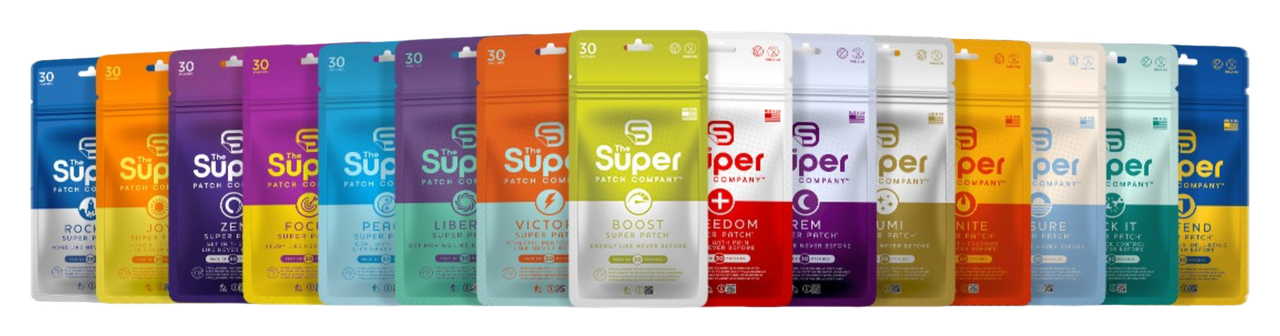
Categories: : Blog, Doodle, Eden, Lifewave, Research Breakdown, Super Patch
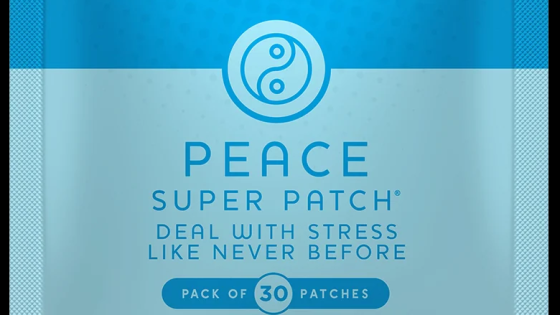
The PEACE Patch, powered by haptic Vibrotactile Technology (VTT), significantly reduced anxiety and improved mental health in adults,
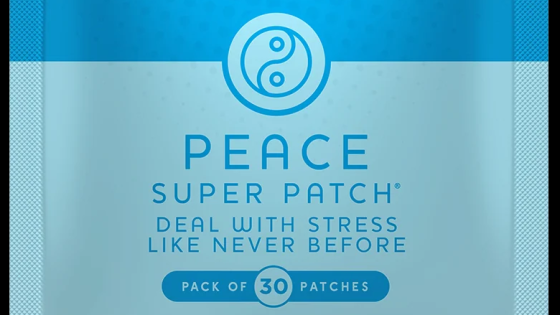
PEACE Patch offers user-friendly, and effective approach to managing anxiety—backed by promising clinical data and high and high user s ...
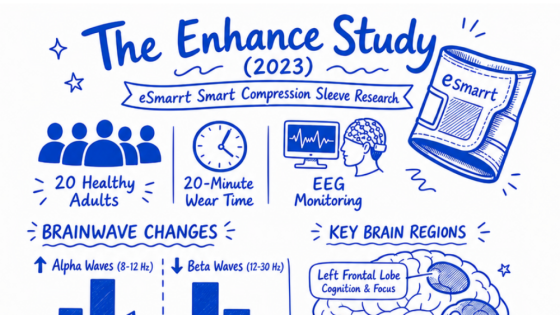
What Happens to the Brain When You Wear a Vibrotactile Sleeve? A simple breakdown of a small EEG study on haptic vibrotactile trigger ...
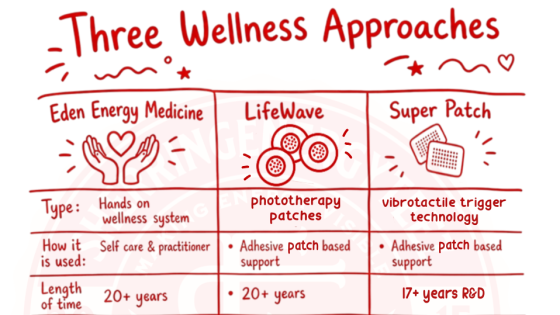
The three wellness approaches I use regularly are Eden Energy Medicine, LifeWave, and Super Patch...
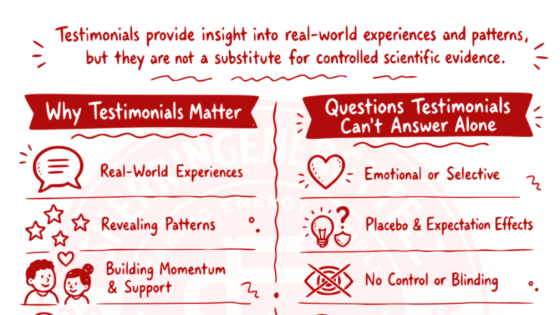
Testimonials are a huge part of the wellness world, and especially of network marketing culture . They help create momentum ...
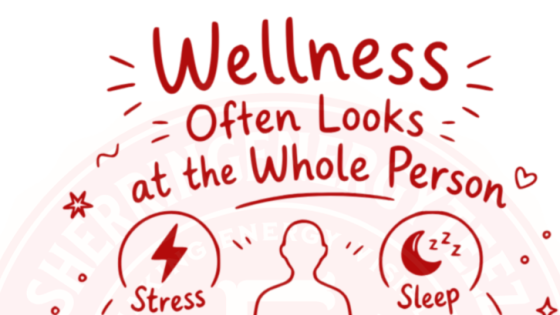
One of the things the wellness industry gets right, when it is operating at its best, is that it often looks at the whole person instead of ...