
Doodle Teez or Blog
SherringenergyTeez is a creative endeavor to make a visual resource of energy medicine and this blog spot is a place to share information and stories with our personal journey to understanding energy medicine. Sharing everything energy and anything creative that makes remembering easier and fun. Doodle, Teez or Blog will be sometimes doodles, sometimes drawings, sometimes blogs, cheatsheets of energy techniques or research study breakdowns and wearable conversation starters with a some kind of energy connection. A place to learn how energy has a relationship in the physical world having a way to easily share.
Making energy visible is the goal and sharing is the vehicle ...

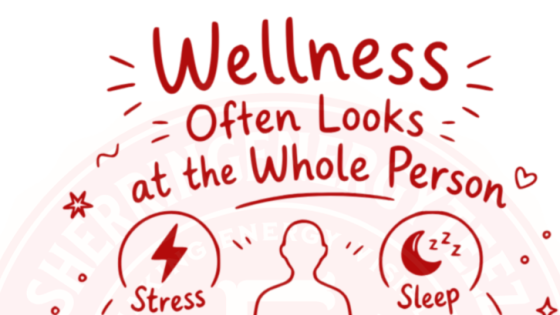
Part 4: Wellness Often Looks at the Whole Person
 Sherri A. Nicholas
One of the things the wellness industry gets right, when it is operating at its best, is that it often looks at the whole person instead of ...
This series is my attempt to create a more informed conversation around wellness research. Too often, people use oversimplified arguments about studies, testimonials, and credibility without really understanding how research pathways work—especially in the wellness world. In these posts, I’m breaking down the bigger picture: company-funded research, published vs. in-house studies, why independent research often comes later, the whole-person model in wellness, the role of testimonials, and the context behind the three wellness approaches I personally use.
One of the things the wellness industry gets right, when it is operating at its best, is that it often looks at the whole personinstead of only chasing one symptom at a time. That does not mean every product, claim, or practitioner is automatically credible. It does mean the basic lens is often broader and, in many cases, more connected to how people actually experience their bodies .
A lot of people do not live their health struggles in neat categories. They do not experience life as “just sleep,” “just stress,” “just fatigue,” or “just mood.” Those things overlap. They stack on each other. They feed each other. And the wellness world, for all its flaws, often recognizes that reality faster than more symptom-only approaches do .
That is part of why so many people are drawn to wellness in the first place.
Wellness often starts with patterns, not labels
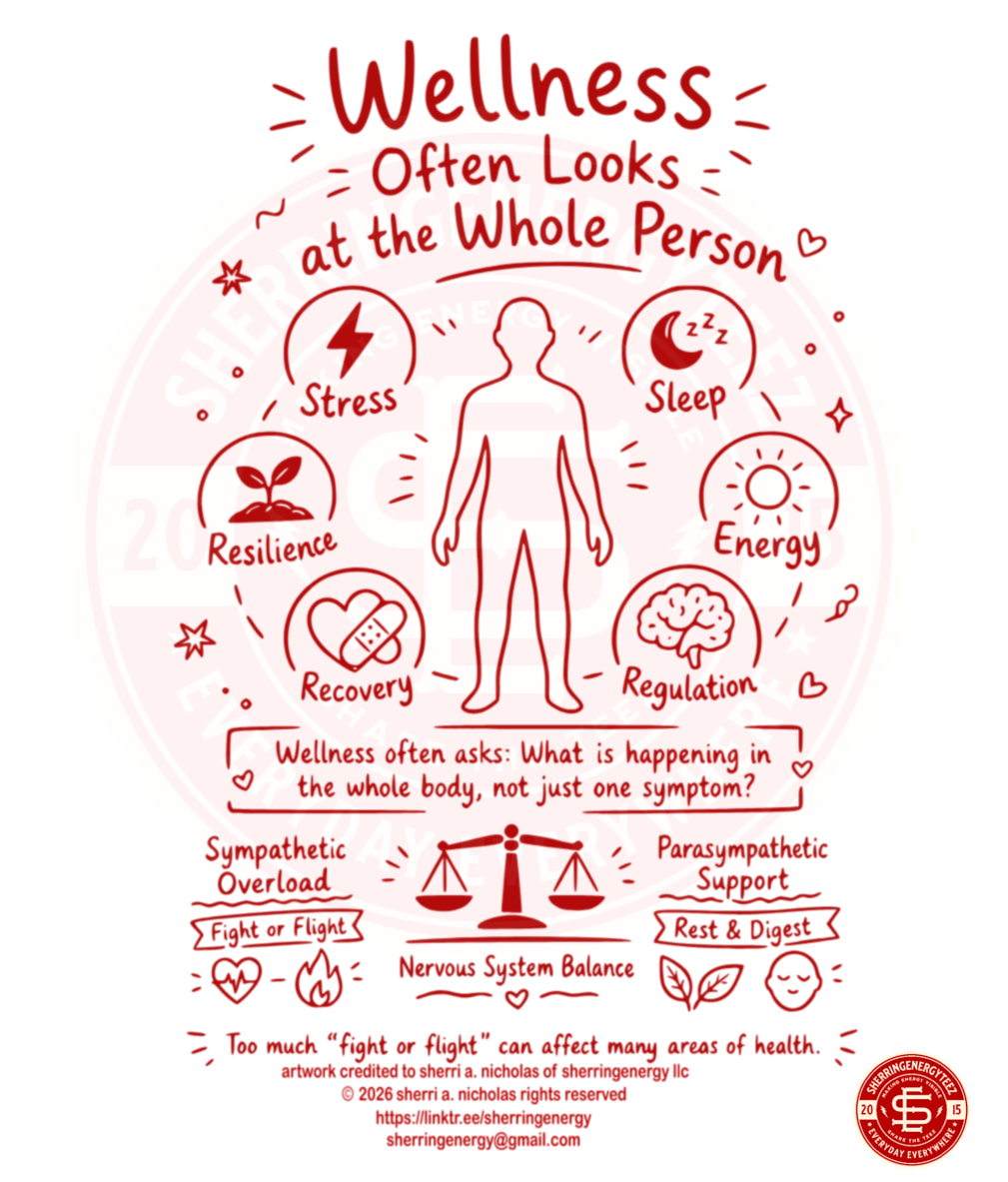
At its core, wellness often asks a different question. Instead of asking only, What is the symptom? it also asks, What pattern is happening in the body overall? That is a very different starting point.
Your original blog points out that many wellness products and practices are focused on things like:
- stress
- sleep
- recovery
- nervous system regulation
- resilience
- daily function
That list matters because those are not random lifestyle buzzwords. They are the kinds of categories people actually live in every day. If someone is stressed, sleeping poorly, not recovering well, and feeling overloaded, that usually does not stay in one lane. It spills into energy, mood, digestion, focus, pain, patience, and overall resilience.
That is why a whole-person model makes sense to so many people. It reflects what they are actually feeling.
Stress affects more than people think
This is a big part of the conversation for me.
Stress affects everything. I think that is one of the most overlooked truths in both wellness and everyday health conversations. People often underestimate how much a dysregulated nervous system can show up in different ways across the body and daily life .
Poor sleep, chronic stress, overload, and not getting enough parasympathetic support can create a ripple effect through a person’s system. Maybe it shows up as tension. Maybe it shows up as poor recovery. Maybe it shows up as low patience, mental fog, feeling wired and tired, or always feeling a little “on edge.” Maybe it shows up as several of those things at once.
That is why so many wellness approaches come back to calming the body, supporting recovery, and improving regulation . That is not automatically proof that every wellness claim is true. But it is also not some fringe concept that should be brushed off just because it sounds less conventional.
A lot of people know in their own body when they are stuck in too much sympathetic drive.
The nervous system matters more than most people realize
This is one reason I think wellness can sometimes be more relatable than narrow symptom-chasing. It often pays attention to the nervous system.
Every blog post in this series and otherwise touches about sympathetic overload and the importance of supporting the parasympathetic state. That matters because many people are not just dealing with one isolated issue. They are dealing with a body that does not feel settled, restored, or regulated.
When the body is constantly bracing, pushing, reacting, and staying “on,” that affects a lot more than mood. It can affect sleep quality, digestion, energy, recovery, focus, pain perception, and general daily function. That does not mean the nervous system explains everything. It does mean it influences more than people are often taught to notice.
And that is where a lot of wellness approaches find their lane. They are not always trying to “fix” one named condition. Often they are trying to support better regulation overall.
That is a different goal, and it should be understood on its own terms.
Whole-person does not mean vague
One criticism people sometimes make is that whole-person wellness sounds too broad to be meaningful. I understand why they say that, but I do not think broad automatically means empty.
Looking at the whole person is not the same thing as saying everything is everything. It means understanding that systems interact. Sleep affects stress. Stress affects recovery. Recovery affects resilience. Nervous system regulation affects how a person functions day to day .
That is not vague. That is integrated.
The problem is not that wellness looks broadly. The problem is when people use broad language without enough understanding behind it. That is where education matters. A whole-person model works best when the person sharing it actually understands how the body works, what regulation means, and where the limits of their claims should be.
So yes, holistic language can be overused. But that does not make the entire model meaningless. It just means it needs to be grounded.
Treating the person, not just the symptom
Wellness often treats the person, not just the symptom. I think that gets to the heart of why this matters.
A lot of people are tired of reducing every experience to one isolated complaint. They want to understand why they feel off overall. They want to know why their sleep, stress, energy, recovery, and daily function all seem connected. They want support that reflects the reality that bodies do not operate in separate compartments.
That is part of the appeal of wellness. It gives people a framework that feels more lived-in and less fragmented.
Now, to be clear, that does not mean every whole-person product or practice is automatically effective. It does not mean every wellness company communicates responsibly. And it definitely does not mean broad claims should go unquestioned.
But it does mean the model itself resonates for a reason.
Why this matters in the bigger research conversation
This whole point connects directly back to the earlier parts of the series.
If a product or method is designed around stress support, recovery, nervous system regulation, or parasympathetic support, then it may not fit neatly into the kind of narrow before-and-after thinking people expect. That can make research more complicated. It can also make real-world outcomes more layered.
The phrase “Wild West” refers to the concepts of "the unknown" - the product works because the person uses it consistently, because they become more committed to their health overall, and because stress comes down and the nervous system shifts to a balanced place. Sometimes it is several of those things together.
That is exactly why whole-person wellness needs better explanation, not more dismissal.
It also explains why consistency matters so much. People often want instant proof for things that may work more gradually, more systemically, and in ways that do not always show up in one isolated category right away .
Again, that does not excuse weak products or exaggerated claims. It just means the body is more interconnected than a lot of people give it credit for.
Wellness Research Matters
Wellness often looks at the whole person, and that is one of the reasons it continues to matter to so many people .
At its best, it pays attention to stress, sleep, recovery, nervous system regulation, resilience, and daily function instead of pretending everything can be reduced to one isolated symptom. That does not make every claim true. But it does reflect a more integrated view of how people actually live in their bodies.
Stress affects more than people think. Regulation matters. Recovery matters. The parasympathetic state matters .
And if people want to have better conversations about wellness, they need to understand that this whole-person model is not just marketing language. It is part of why people seek wellness support in the first place.
But even when wellness takes a broader, more holistic approach, there is still the question of how testimonials fit into the conversation—and where their value begins and ends.
Next in this series: testimonials have value, but they also have limits—and that is a conversation the wellness world and its critics both need to handle more honestly.
Next in this series: Part 5: Testimonials Have Value, But They Also Have Limits
“The greatest enemy of knowledge is not ignorance, it is the illusion of knowledge.”
— Daniel J. Boorstin
6a96e2d1e63e3_lg.png)
Super Patch Blogs
Find Your Super Patches - Quiz
Try Super Patch with SherringSensorySignals
Super Patch Conversation Starters
SHERRINGENERGYTEEZ LINKTREE
©2026 Sherri A Nicholas All Rights Reserved
Categories: : Blog, Doodle, Eden, Lifewave, Research Breakdown, Super Patch
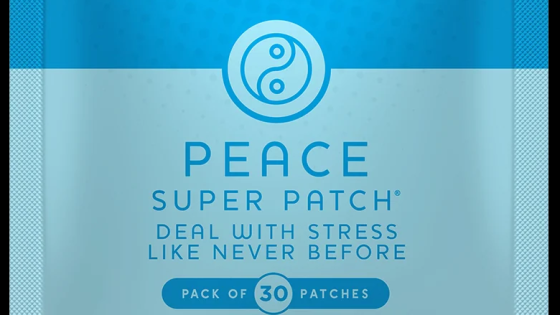
The PEACE Patch, powered by haptic Vibrotactile Technology (VTT), significantly reduced anxiety and improved mental health in adults,
PEACE Patch offers user-friendly, and effective approach to managing anxiety—backed by promising clinical data and high and high user s ...
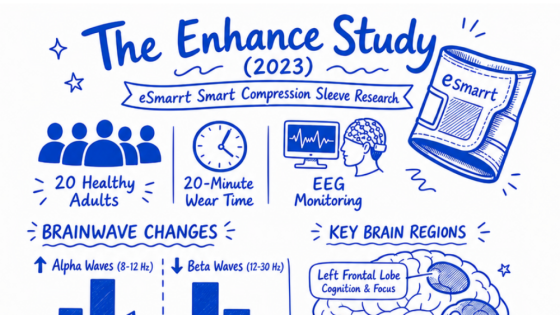
What Happens to the Brain When You Wear a Vibrotactile Sleeve? A simple breakdown of a small EEG study on haptic vibrotactile trigger ...
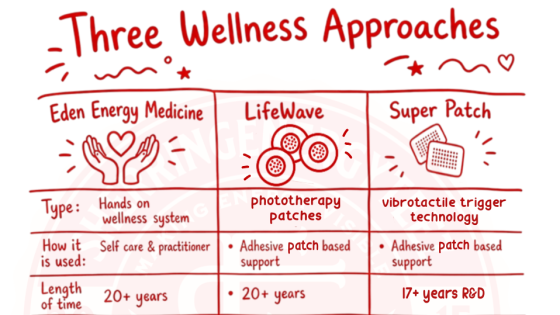
The three wellness approaches I use regularly are Eden Energy Medicine, LifeWave, and Super Patch...
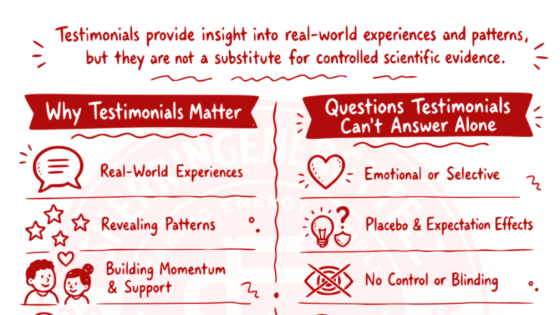
Testimonials are a huge part of the wellness world, and especially of network marketing culture . They help create momentum ...
One of the things the wellness industry gets right, when it is operating at its best, is that it often looks at the whole person instead of ...