
Doodle Teez or Blog
SherringenergyTeez is a creative endeavor to make a visual resource of energy medicine and this blog spot is a place to share information and stories with our personal journey to understanding energy medicine. Sharing everything energy and anything creative that makes remembering easier and fun. Doodle, Teez or Blog will be sometimes doodles, sometimes drawings, sometimes blogs, cheatsheets of energy techniques or research study breakdowns and wearable conversation starters with a some kind of energy connection. A place to learn how energy has a relationship in the physical world having a way to easily share.
Making energy visible is the goal and sharing is the vehicle ...

Can a Small Patch Change the Way the Nervous System Responds?
 Sherri A. Nicholas

Exploring the proposed connection between skin sensation, the brain, and the autonomic nervous system.
“It could be like just a patch you just wear it when you want to.”
Can the Skin Send Instructions to the Brain?
A small adhesive patch may look no different from a simple bandage. It contains no visible wires, batteries, or medication. Yet the technology discussed in the interview is based on the idea that a patch can interact with the nervous system through the skin.
The central question is this:
Can a carefully designed sensation on the skin influence how the brain and body respond?
The interview suggests that skin-based signals may affect balance, stress, sleep, pain, and autonomic activity. It also presents a larger possibility: that changes in brain activity might be detected before a person notices clear symptoms.
These ideas are presented as part of the company’s theories, reported experiences, and proposed research. They should not automatically be treated as proven medical conclusions. Claims about health benefits require controlled studies, clinical validation, and independent review.
To understand the concept, it helps to start with the relationship between the skin and the nervous system.
The Skin Is More Than a Protective Covering
Most people think of skin as the body’s outer layer. It protects us from the environment and helps regulate temperature. But the skin is also filled with sensory receptors that detect pressure, movement, touch, and other changes.
When you touch a hot surface, your skin sends information through nerves to the spinal cord and brain. Your body may respond before you have time to think about it. You pull your hand away, your muscles tighten, and your attention immediately shifts to the source of the danger.
This example shows the basic communication pathway:
- Something stimulates the skin.
- Sensory nerves carry information inward.
- The brain receives and interprets the signal.
- The body responds.
The technology described in the interview is based on the idea that this pathway can be influenced through carefully designed patterns of skin stimulation.
A useful comparison is a phone receiving a notification. The notification may be small, but it can change what you do next. In the same way, the proposed patch does not need to force the body to move. It is intended to send sensory information that may encourage the nervous system to adjust its response.
That is the theory.
The next question is what happens at the cellular level.
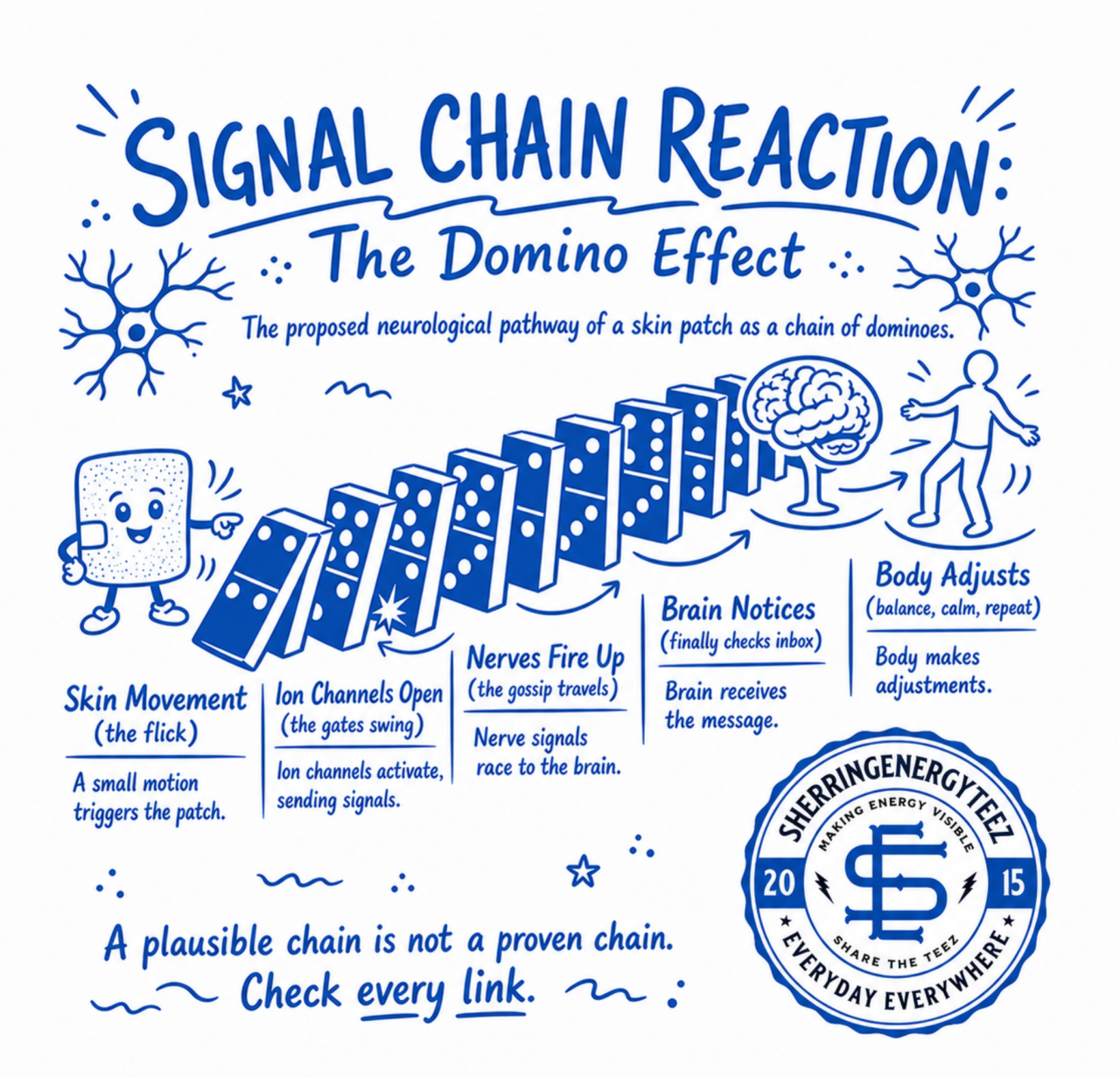
Ion Channels: Tiny Cellular Gateways
These tiny structures are called ion channels. Ion channels are found in cells and help regulate the movement of electrically charged particles. In the discussion, they are compared to small on-and-off switches that help cells communicate.
The comparison is not a complete scientific explanation, but it makes the basic idea easier to understand. Imagine a building filled with thousands of small doors. Each door opens or closes in response to certain conditions. The movement through those doors helps the building’s rooms communicate with one another.
In the body, ion channels help cells respond to physical and chemical signals. The interview proposes that movement or pressure on the skin may activate particular patterns of activity, which then send information toward the brain.
The proposed chain looks like this:
- The patch creates a specific texture or sensation.
- Movement causes the skin to interact with that texture.
- Sensory receptors and ion channels respond.
- Nerves carry the signal toward the brain.
- The brain adjusts certain neurological or autonomic responses.
This helps the brain interpret a signal as useful, harmful, or neutral.
However, it is important to separate the existence of ion channels from the company’s specific product claims. Ion channels are a real part of cell biology, but that fact alone does not prove that a particular patch can reliably improve sleep, reduce pain, or change disease outcomes. The proposed mechanism still needs to be tested for each intended use.
More studies will come out and I will pull them apart here - one by one.
The Autonomic Nervous System: The Body’s Automatic Manager
The technology is also described as interacting with the autonomic nervous system. This system manages many functions that happen without conscious effort, including heart rate, digestion, breathing patterns, blood pressure, and aspects of the stress response.
The autonomic nervous system is often discussed through two major branches:
- The sympathetic nervous system, which helps the body respond to challenge or danger.
- The parasympathetic nervous system, which supports rest, digestion, and recovery.
These systems work together rather than operating like simple on-and-off switches. A person needs some sympathetic activity to stay alert, but too much stress activation for too long may affect sleep, digestion, concentration, and other functions.
Some of the patches as supporting parasympathetic or vagal activity. The vagus nerve is one of the major nerves connected with the brain and organs involved in digestion, heart function, and other automatic processes.
The proposed goal is not to control the body like a remote-control device. Instead, the patch is described as providing a sensory input that may help the nervous system shift toward a different pattern of activity.
The easiest way to picture this is a car’s cruise-control system. A small adjustment to the controls may help the car maintain a steady speed, but the system does not rebuild the engine or repair a damaged tire. In the same way, the proposed patch may be viewed as an external support signal—not as a replacement for medical treatment.
Why the Brainstem and Cerebellum Matter
The brainstem helps manage essential functions and serves as a major connection between the brain and the rest of the body. The cerebellum plays an important role in balance, coordination, timing, and movement.
The first patch was designed to influence pathways connected with balance and autonomic function. The interview describes this as involving areas near the brainstem, cerebellum, cranial nerves, and vagus nerve.
This proposed connection helps explain why balance became the starting point for the technology. The original textured socks were created with the goal of helping the founder’s mother improve her balance, and later versions were used by athletes who needed coordination and stability.
Balance is not controlled by one body part alone. The brain combines information from:
- The eyes
- The inner ear
- Muscles and joints
- Pressure sensors in the feet and skin
- The cerebellum and other brain regions
If one source of information becomes less reliable, the brain must work harder to organize the available signals. A change in sensory input from the skin could, in theory, alter how the brain processes information related to posture or movement.
That does not mean the patch repairs the inner ear, strengthens weak muscles, or reverses neurological damage. It means the proposed intervention focuses on the information entering the system.
Immediate Effects and the “Neurological Crutch”
Some effects may appear quickly. Changes in EEG readings and balance demonstrations within approximately five to ten seconds of applying a patch, followed by the reported disappearance of the effect after the patch is removed.
A short-term change in a measurement does not automatically prove a lasting health benefit.
The technology to a neurological crutch. A physical crutch does not heal a broken ankle. It supports the person while the body recovers or while the injury remains. In the same way, the patch is described as potentially supporting nervous-system function without fixing the underlying condition.
This comparison helps explain three different possibilities:
Immediate support
The patch may provide a sensory signal while it is being worn. If the reported effect disappears after removal, the support may be temporary.
Long-term adaptation
Repeated use might encourage the nervous system to adjust over time. The interview connects this possibility with neuroplasticity—the brain’s ability to change its patterns and pathways.
Permanent treatment
A permanent change would be a much stronger claim. The materials do not establish that the patches permanently cure neurological disease or eliminate the need for medical care.
The difference between these three possibilities is important. Helping someone function better for a short time is not the same as treating the reason the problem exists.
Homeostasis, Allostasis, and Neuroplasticity
Allostasis, which can be understood as the body adapting to ongoing stress or dysfunction.
A simple way to compare the terms is:
- Homeostasis: keeping the body within a stable range.
- Allostasis: changing the body’s operating range to cope with continuing demands.
- Neuroplasticity: the brain’s ability to change through learning, repetition, and experience.
For example, a person who experiences ongoing stress may gradually develop a higher baseline level of tension. The body begins treating that tense state as normal. Likewise, repeated problems with balance or movement may cause the brain to develop compensating patterns.
Repeated sensory correction might eventually help the brain move away from an unhealthy adapted state.
This remains a research question. Important questions include:
- How often would a patch need to be used?
- How long would the effects last after removal?
- Would different people respond differently?
- Could repeated use create lasting neurological changes?
- Would the technology work better for symptoms caught early?
- Can an established disease process actually be reversed?
Long-term effects and brain plasticity as areas requiring additional research.
Why the Same Patch May Not Affect Everyone
A person may notice a patch mainly when there is an imbalance in the related system. Someone without a sleep problem may not recognize a major difference from a sleep-oriented patch. Similarly, a person with no balance difficulty may not notice the same effect as someone who struggles with stability.
This idea is important because it challenges the assumption that every product should create a noticeable sensation. The patch is not described as producing a strong feeling like caffeine or a painkiller. Instead, the proposed effect is connected to how a person’s nervous system is already functioning.
This also makes the technology difficult to evaluate casually. A person may say, “I did not feel anything,” but that does not prove the patch had no effect. On the other hand, feeling calmer or sleeping better does not prove the patch caused the improvement.
Reliable testing would need to measure specific outcomes, such as:
- Balance scores
- Reaction time
- Sleep onset
- Sleep quality
- EEG patterns
- Pain ratings
- Stress markers
- Recovery measures
The study would also need appropriate comparison groups and enough participants to determine whether the results are repeatable.
Drug-Free Design Does Not Mean a Proven Treatment
The patches do not contain drugs and do not require batteries or invasive procedures.
That design may make them convenient and relatively simple to use. But “drug-free” does not automatically mean “effective for every condition” or “risk-free for everyone.”
A seatbelt is also simple and drug-free, but its usefulness depends on the situation and how it is used. In the same way, a wearable patch may offer support for a particular purpose while still having limits.
The materials state that the products should not replace surgery, prescription medication, diagnosis, physical therapy, or other medical care.
Readers should also pay attention to skin reactions. There could be a temporary rash or mark that may occur if a patch is pulled off quickly. Recommended approach is to loosen the patch with soap and water or remove it gradually in the shower.
A mild temporary mark may be different from an allergic reaction. Persistent, painful, spreading, or severe irritation should be discussed with a qualified healthcare professional.
An Interesting Signal, Not a Magic Switch
The proposed science behind these patches begins with a reasonable biological idea: the skin contains sensory systems that communicate with the brain. The idea by connecting skin stimulation with ion channels, the autonomic nervous system, the brainstem, the cerebellum, and the vagus nerve.
The technology is described as sending a patterned sensory signal into the nervous system. The signal may help support balance, stress regulation, sleep, pain management, or other functions.
But the most responsible way to describe the technology is as a proposed support tool, not a proven cure. Immediate changes, personal experiences, and early studies are not enough to establish that a patch treats a disease or creates permanent neurological improvement. Stronger evidence is needed, including larger and independently conducted studies.
The patch may be designed to give the nervous system a nudge, but a nudge is not the same as a repair.
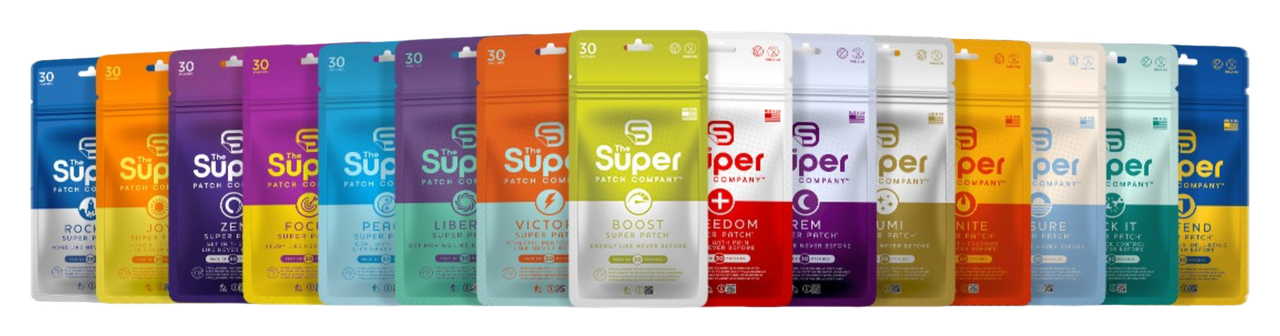
In a future blog I will move from the proposed mechanism to the products themselves. It will examine Liberty, Peace, Sleep, Freedom, Joy, Defend, and other patches —and consider what each one is claimed to support.
What You Need to Remember
- The skin constantly sends sensory information to the brain.
- The technology is proposed to use patterned skin stimulation.
- Ion channels are described as cellular communication pathways.
- The autonomic nervous system regulates many automatic body functions.
- The brainstem, cerebellum, and vagus nerve are mentioned as important pathways.
- The patches are compared to a neurological crutch.
- Immediate support, long-term adaptation, and permanent treatment are different claims.
- Neuroplasticity and allostasis may help explain the possibility of longer-term changes.
- The proposed mechanisms and health claims still require careful clinical validation.
Love a Good Metaphor
Think of the nervous system as a busy control room receiving messages from the entire body. The skin is one of the control room’s largest communication networks. The patch is designed to send a carefully chosen message into that network. It may help the control room adjust its response, but it does not automatically repair every damaged part of the system.
6a96e2d1e63e3_lg.png)
Find Your Super Patches - Quiz
Try Super Patch with SherringSensorySignals
Super Patch Conversation Starters
SHERRINGENERGYTEEZ LINKTREE
©2026 Sherri A Nicholas All Rights Reserved
Categories: : Blog, Brain, Super Patch
The PEACE Patch, powered by haptic Vibrotactile Technology (VTT), significantly reduced anxiety and improved mental health in adults,
PEACE Patch offers user-friendly, and effective approach to managing anxiety—backed by promising clinical data and high and high user s ...
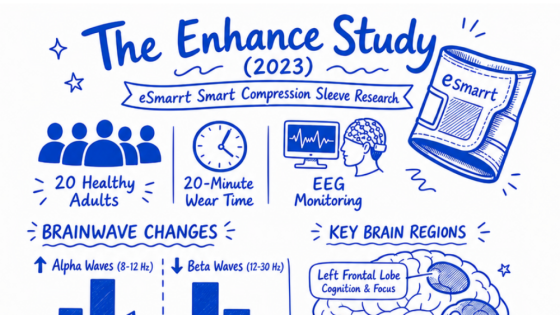
What Happens to the Brain When You Wear a Vibrotactile Sleeve? A simple breakdown of a small EEG study on haptic vibrotactile trigger ...
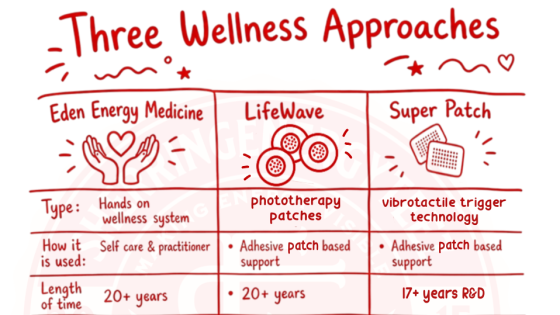
The three wellness approaches I use regularly are Eden Energy Medicine, LifeWave, and Super Patch...
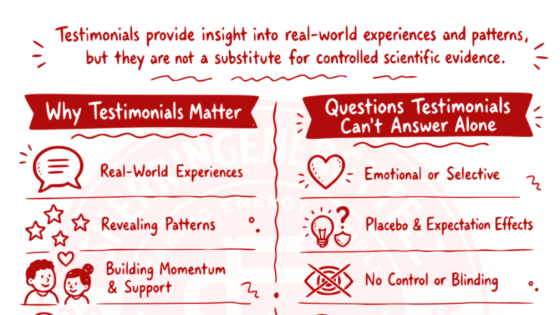
Testimonials are a huge part of the wellness world, and especially of network marketing culture . They help create momentum ...
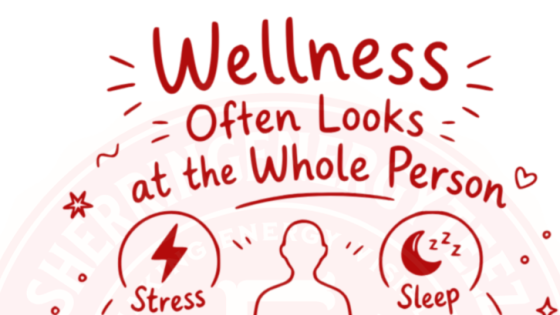
One of the things the wellness industry gets right, when it is operating at its best, is that it often looks at the whole person instead of ...