
Doodle Teez or Blog
SherringenergyTeez is a creative endeavor to make a visual resource of energy medicine and this blog spot is a place to share information and stories with our personal journey to understanding energy medicine. Sharing everything energy and anything creative that makes remembering easier and fun. Doodle, Teez or Blog will be sometimes doodles, sometimes drawings, sometimes blogs, cheatsheets of energy techniques or research study breakdowns and wearable conversation starters with a some kind of energy connection. A place to learn how energy has a relationship in the physical world having a way to easily share.
Making energy visible is the goal and sharing is the vehicle ...

Can a Sleep Patch Replace Pills?
 Sherri A. Nicholas
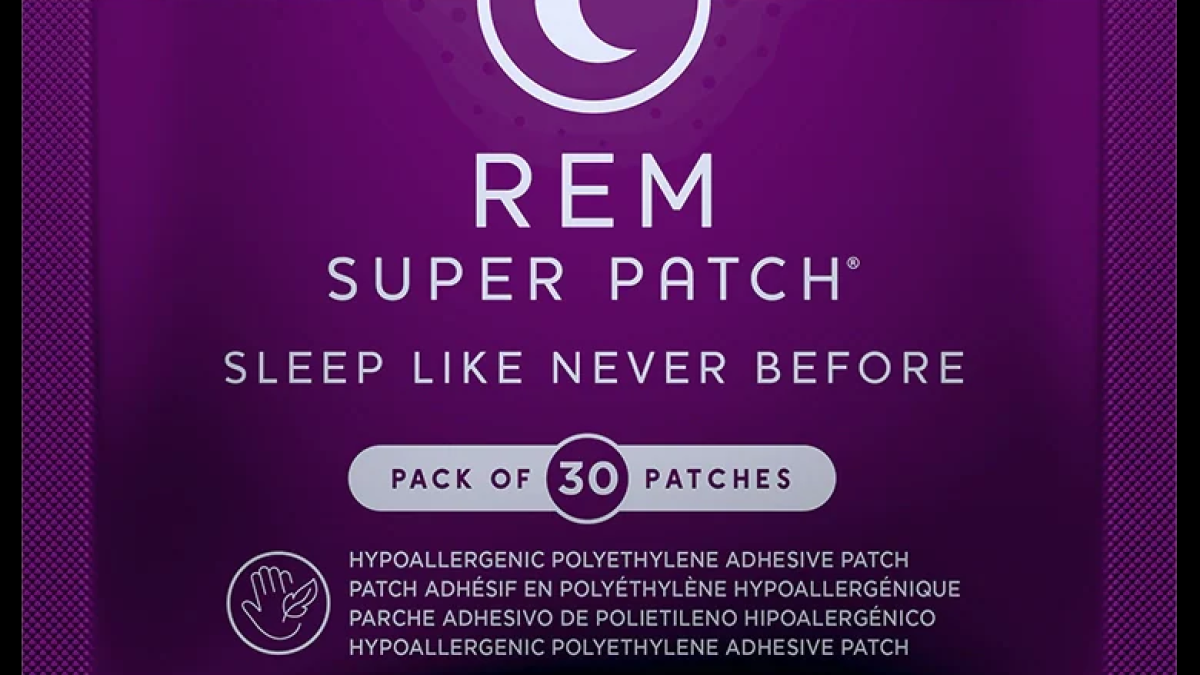
A simple breakdown of the study results, what improved, and what still needs more testin
Can a Drug-Free Sleep Patch Actually Help People Sleep Better
A simple breakdown of the study results, what improved, and what still needs more testing
Can a Sleep Patch Replace Pills?
Sleep problems are common, and they can affect mood, focus, energy, and daily life. The HARMONI Study looked at a drug-free sleep patch that uses haptic vibrotactile trigger technology, or VTT, to see whether it could help adults with sleep or insomnia-related symptoms. The study followed 113 adults and measured changes in sleep quality, sleep time, medication use, and quality of life over 14 days .
What the Study Tested
The study was a prospective, observational study with 113 adults, including 79 females and 34 males, with a mean age of 53 years. All participants had sleep-related problems or insomnia-related symptoms. They used a patch on the forearm before bed and removed it in the morning .
This matters because the study was not testing a pill or a drug. It was testing a non-invasive, non-pharmacological patch designed to support sleep without medicine .
Sleep Quality Improved
One of the clearest results was better sleep quality. The study found that the average Global PSQI score dropped from 12.5 to 5.5 over 14 days, which is a 56% decrease. The ISI score also dropped from 18.7 to 8.1, a 57% decrease .
In simple terms, the people in the study reported that their sleep felt better after using the patch. They also fell asleep faster. The average time to fall asleep went from 69.1 minutes at baseline to 36.6 minutes by day 14 .
The average amount of actual sleep also increased from 5.25 hours to 6.51 hours by day 14 .
Nighttime Interruptions Went Down
The study also showed fewer sleep interruptions. At baseline, more than 83% of participants said they had trouble sleeping because they woke up in the middle of the night or early morning at least once a week. By day 14, that number had dropped a lot, with only 22% reporting that problem at least once or twice a week or three or more times a week .
Another important change was nighttime bathroom trips. At baseline, almost 70% of subjects said they had trouble sleeping because they had to get up to use the bathroom at night at least once a week. By day 14, only 15% said they still had that problem .
So, the patch was not just linked to longer sleep. It was also linked to fewer wake-ups during the night .
Daily Life Improved Too
The study did not only look at sleep. It also asked about how sleep affected daily life. After 14 days, participants reported improvements in daytime fatigue, mood, ability to function at work or with chores, concentration, and memory .
That is important because sleep is not just about how many hours someone gets. Poor sleep can spill into the next day and make school, work, and normal life harder. This study suggests the patch may have helped with that bigger picture too .
Less Need for Sleep Medications
Another major result was reduced use of sleep medications. Before the study, more than 56% of participants said they used prescription or over-the-counter sleep medications at least once a week. After 14 days, only 10 participants said they still used medication at least once a week, which was an 85% reduction from baseline .
Participants also seemed to like the patch itself. About 90% said it was easy to apply and convenient. About 70% said they preferred it over pills and other oral sleep treatments .
That does not prove the patch works better than medication, but it does show that many people found it easier to use and were willing to choose it over pills .
Safety and Side Effects
The study reported no serious adverse events. There were 5 minor side effect reports out of 113 people, including lucid dreams, insomnia, itching, sleeplessness, and adhesive irritation .
So, the patch looked relatively safe in this small study, but that does not mean it is risk-free or fully proven yet .
What the Results Mean
The main takeaway is that this study found promising short-term improvements in sleep quality, sleep duration, and some quality-of-life measures after 14 days of using the drug-free patch .
But there is an important catch: this was a nonrandomized observational study, and the paper says future analysis will compare control and crossover groups . That means the results are encouraging, but they are not final proof that the patch caused all the improvements. Other factors could have played a role too .
So the best way to read the study is this:
The patch may help some adults sleep better, but it still needs stronger testing before anyone can call it a proven treatment .
Conclusion
The HARMONI Study suggests that a non-drug sleep patch with VTT may help adults fall asleep faster, sleep longer, wake up less often, and feel better during the day . It also showed a reduction in sleep medication use and only a few minor side effects .
Still, because the study was observational and did not yet include the full control and crossover results, the findings should be seen as promising rather than final . More research is needed to know how well this patch works compared with other sleep treatments .
Summary
- The study tested a drug-free sleep patch with VTT in adults with sleep problems .
- Participants reported better sleep quality, faster sleep onset, and more sleep time after 14 days .
- They also had fewer nighttime wake-ups and less trouble with bathroom-related sleep disruption .
- Daily life improved, including fatigue, mood, focus, and memory .
- Many participants used less sleep medication and liked the patch’s convenience .
- The results are promising, but the study is not final proof because it was observational .
Metaphor for Understanding
Think of sleep like a phone battery. If it keeps draining overnight, the whole next day feels weak. This study suggests the patch may have helped some people charge back up more smoothly, without using a sleep medication battery pack every night .
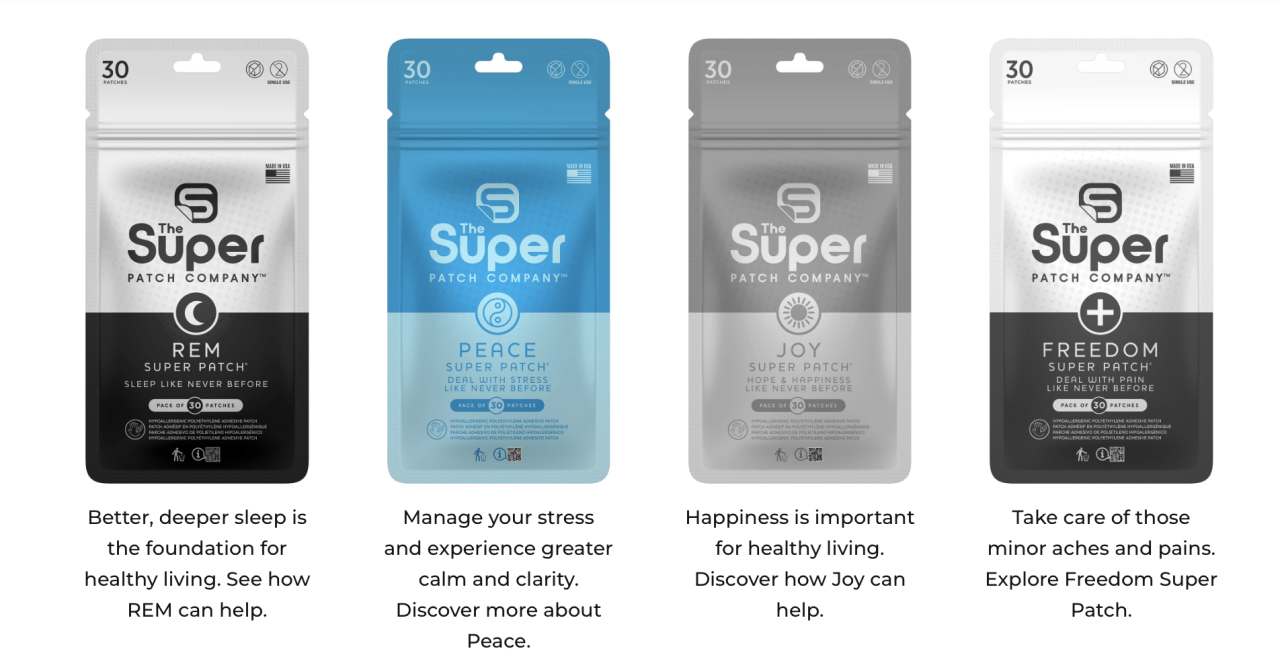
Try Super Patch with SherringSensorySignals
Conversation Starters
Coming Soon to a New Shop!!
SHERRINGENERGYTEEZ LINKTREE
©2026 Sherri A Nicholas All Rights Reserved
Categories: : Research Breakdown, Super Patch
A simple breakdown of the study results, what improved, and what still needs more testin
A simple breakdown of a small EEG study on haptic vibrotactile trigger technology.

Brief overview of The Case of Eden Energy Medicine (EEM) based on published review article. Part 3 of 3

The Wayne Cook Posture technique promotes relaxation, focus, and mental clarity.

Brief overview of The Case of Eden Energy Medicine (EEM):. Importance of case studies in understanding EEM’s potential. Part 2 of 3

Brief overview of The Case of Eden Energy Medicine (EEM) based on published review article. Part 1 of 3