
Doodle Teez or Blog
SherringenergyTeez is a creative endeavor to make a visual resource of energy medicine and this blog spot is a place to share information and stories with our personal journey to understanding energy medicine. Sharing everything energy and anything creative that makes remembering easier and fun. Doodle, Teez or Blog will be sometimes doodles, sometimes drawings, sometimes blogs, cheatsheets of energy techniques or research study breakdowns and wearable conversation starters with a some kind of energy connection. A place to learn how energy has a relationship in the physical world having a way to easily share.
Making energy visible is the goal and sharing is the vehicle ...

Testimonials and Studies: How to Think Clearly About Wellness Research
 Sherri A. Nicholas
People throw around “the company funded the study” like that ends the conversation. Early research is often funded by the company because ....
Research is more like building a case over time than delivering a final verdict overnight
A company study might be the first clue. A published paper adds another layer. Testimonials show what people are noticing in real life. Independent research may come later. None of those pieces should stand alone, but together they can start to show a fuller picture.
“Not everything that is real is immediately measurable, and not everything measurable is fully understood.”
Testimonials and Studies: How to Think Clearly About Wellness Research
One of the most uninformed things people say about wellness products is, “The company paid for the study, so it doesn’t count.” That argument gets repeated all the time like it proves something, but usually it just shows a limited understanding of how research actually works.
A lot of people want to sound science-based without really understanding how products get studied, who funds research, what gets published, and why independent studies often come later instead of first. That doesn’t mean people should trust every claim they hear. It just means the conversation needs more context and a lot less lazy skepticism.
The wellness industry is not perfect. Sometimes it really is a bit of the Wild West. But that doesn’t mean every company study is meaningless, every testimonial is fake, or every product should be dismissed just because it is not backed by a giant institution. If people are going to talk about evidence, they should know what they are looking at.
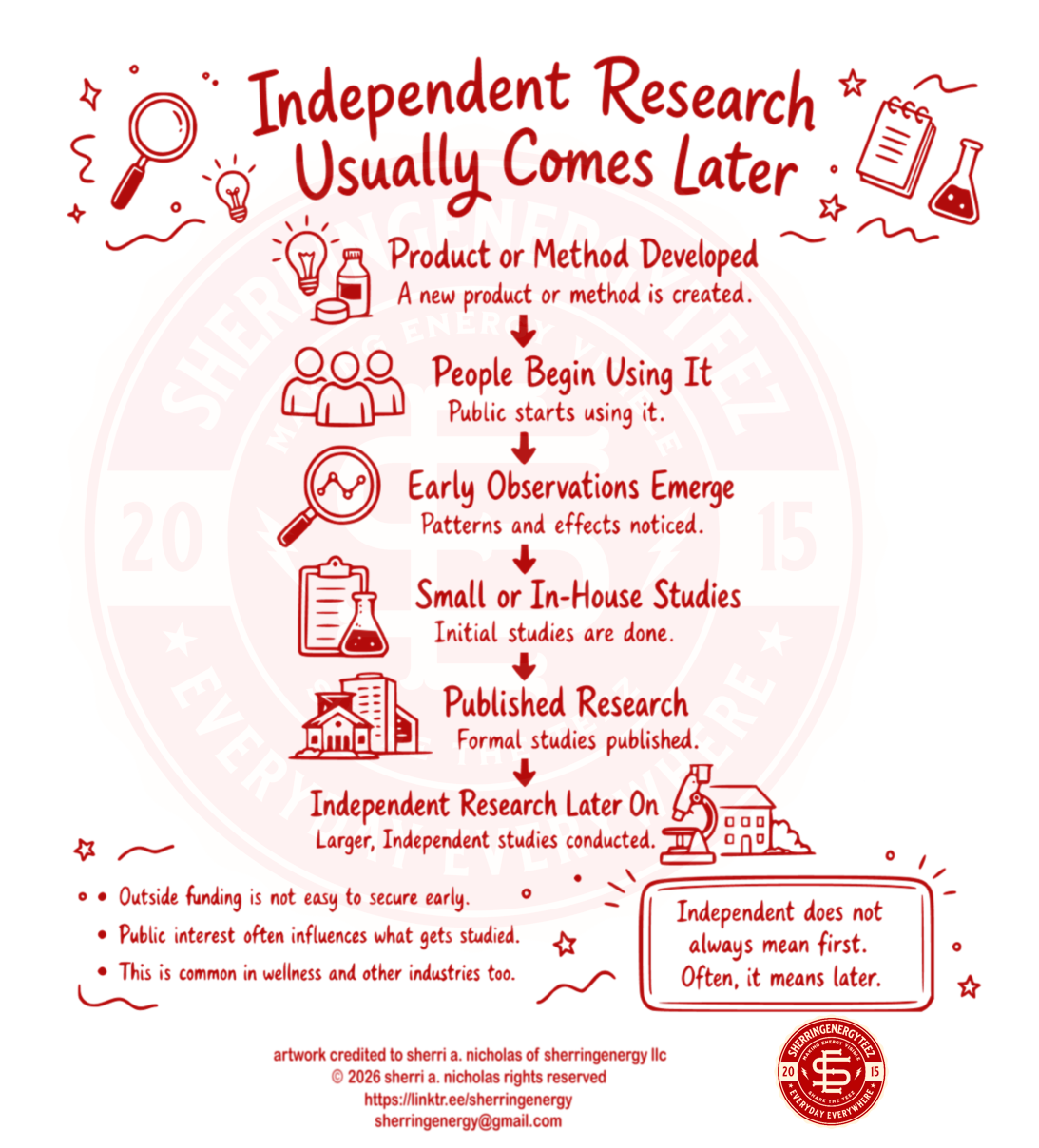
Company-funded research is normal
People act like company-funded research is some shocking red flag, when in reality it is often the starting point for almost everything.
Wellness companies fund their own studies. Supplement companies do too. Medical device companies do too. Pharmaceutical companies do too. That is usually how early research begins, because outside funding is hard to get until there is already public interest, product use, or enough early data to justify a deeper look.
Independent research sounds ideal in theory, but it does not just appear out of thin air. Somebody has to care enough to spend time, money, and effort studying something. Most of the time, the first people willing to do that are the people who created the product.
So no, company funding does not automatically make research invalid. It just means people should read it with awareness and ask better questions.
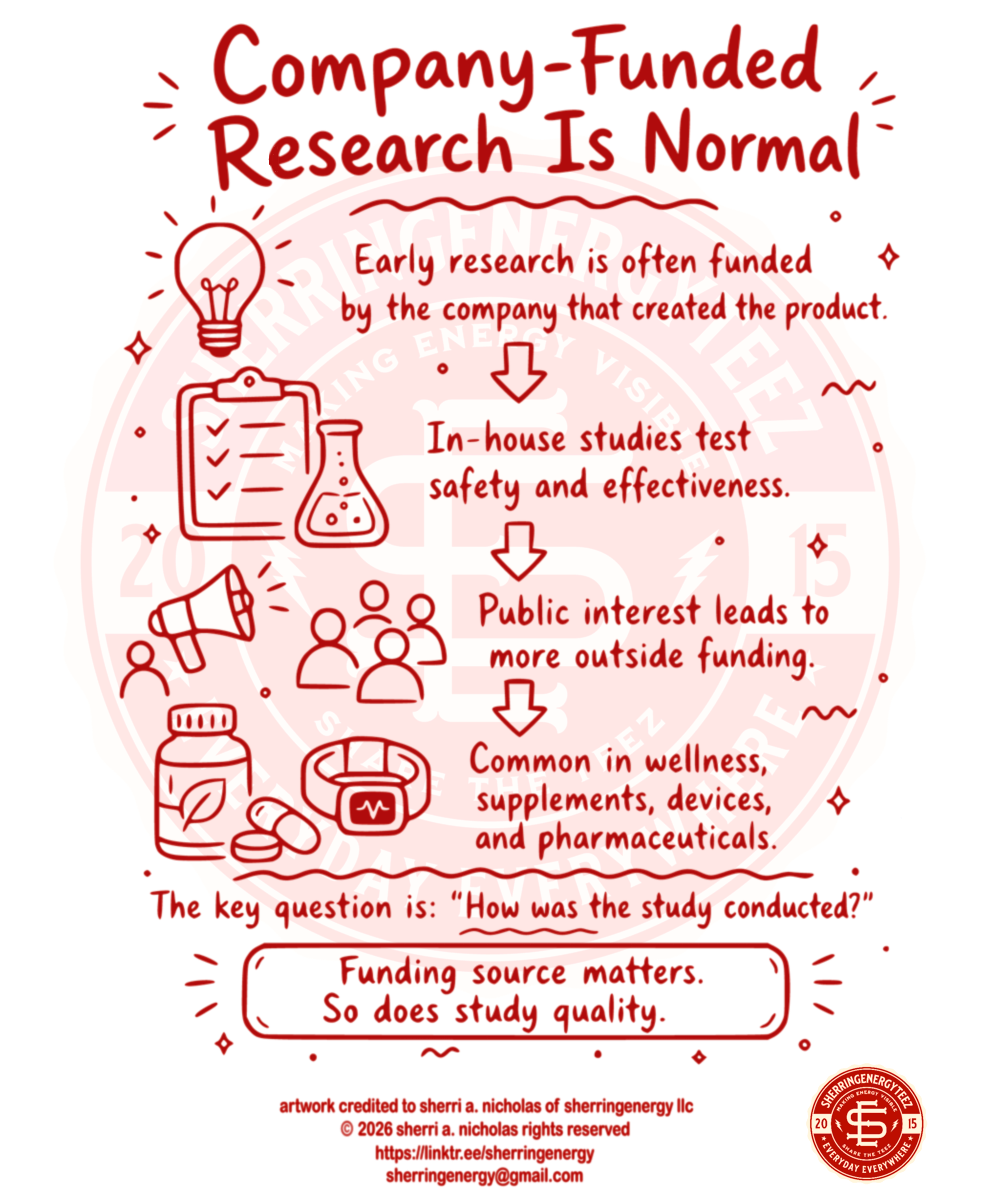
Published papers and in-house studies both matter
A lot of people think in black-and-white terms: published means real, in-house means useless. That is too simplistic.
Published research matters because it goes through more public review and scrutiny. That gives it more weight. But published does not automatically mean flawless. Weak studies get published too. Small studies get published. Biased studies get published. Publication is important, but it is not magic.
In-house studies matter too, especially in early stages. They can help companies gather patterns, refine how a product is used, and decide whether the product is worth studying further. They can also provide useful signals, even if they are not the final word.
The better question is not just, “Was it published?” The better question is, “Was it done well?”
Things like this matter more:
- Was there a control group?
- Was it blinded?
- Was it randomized?
- Was the sample size meaningful?
- Were the outcomes clearly measured?
- Were the claims bigger than the actual data?
That is how people should think if they want to sound informed.
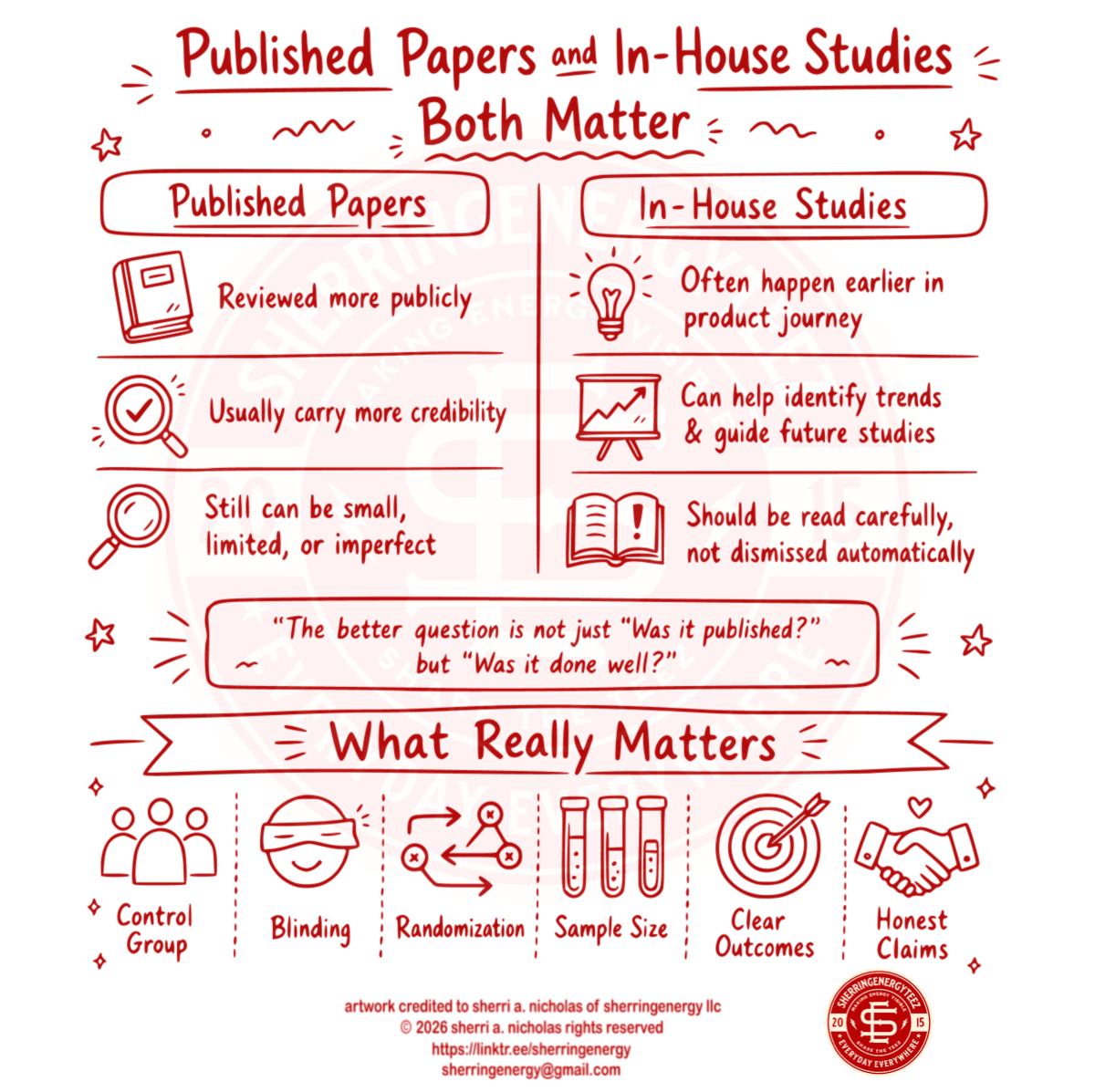
Independent research usually comes later
This is the part a lot of critics miss.
Independent research often comes after a product is already being used, talked about, observed, and paid attention to. That is especially true in wellness, where products are often out-of-pocket and outside the traditional medical system. Big outside funding is not easy to secure for something that does not already have attention or profit potential attached to it.
That does not mean independent research is not important. It is important. But expecting it to exist immediately shows a misunderstanding of how research usually develops in the real world.
A lot of products follow a pretty predictable path:
- a company develops something
- people start using it
- early results and patterns show up
- small studies begin
- published research may follow
- independent interest sometimes comes later
That is not unusual. That is normal.
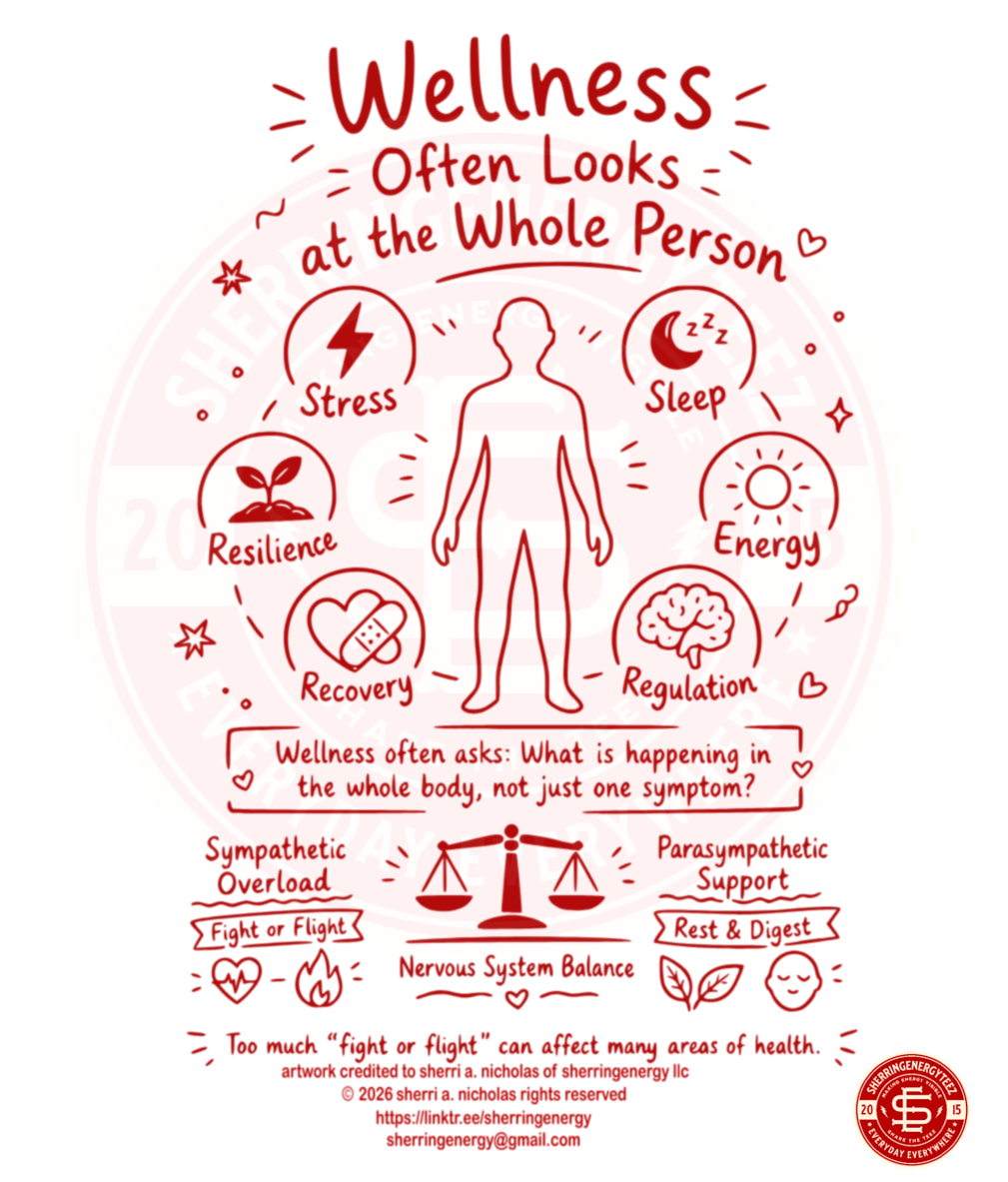
Wellness often looks at the whole person
One thing the wellness industry does authentically, when it is at its best, is look at the whole person instead of only chasing isolated symptoms.
A lot of wellness products and practices are not just about one label or one body part. They are often about things like:
- stress
- sleep
- recovery
- nervous system regulation
- resilience
- daily function
That matters because stress affects everything. A dysregulated nervous system can show up in more places than people realize. Poor sleep, chronic stress, overload, and lack of parasympathetic support can drive a lot of downstream issues. So when wellness focuses on calming the body, supporting recovery, and helping people regulate better, that is not some fringe idea. It lines up with what a lot of people are experiencing in real life.
That does not mean every wellness claim is automatically true. It means the general model is often more holistic. It treats the person, not just the symptom.
Testimonials have value, but they also have limits
Testimonials are a huge part of wellness and network marketing, and people need to be honest about both sides of that.
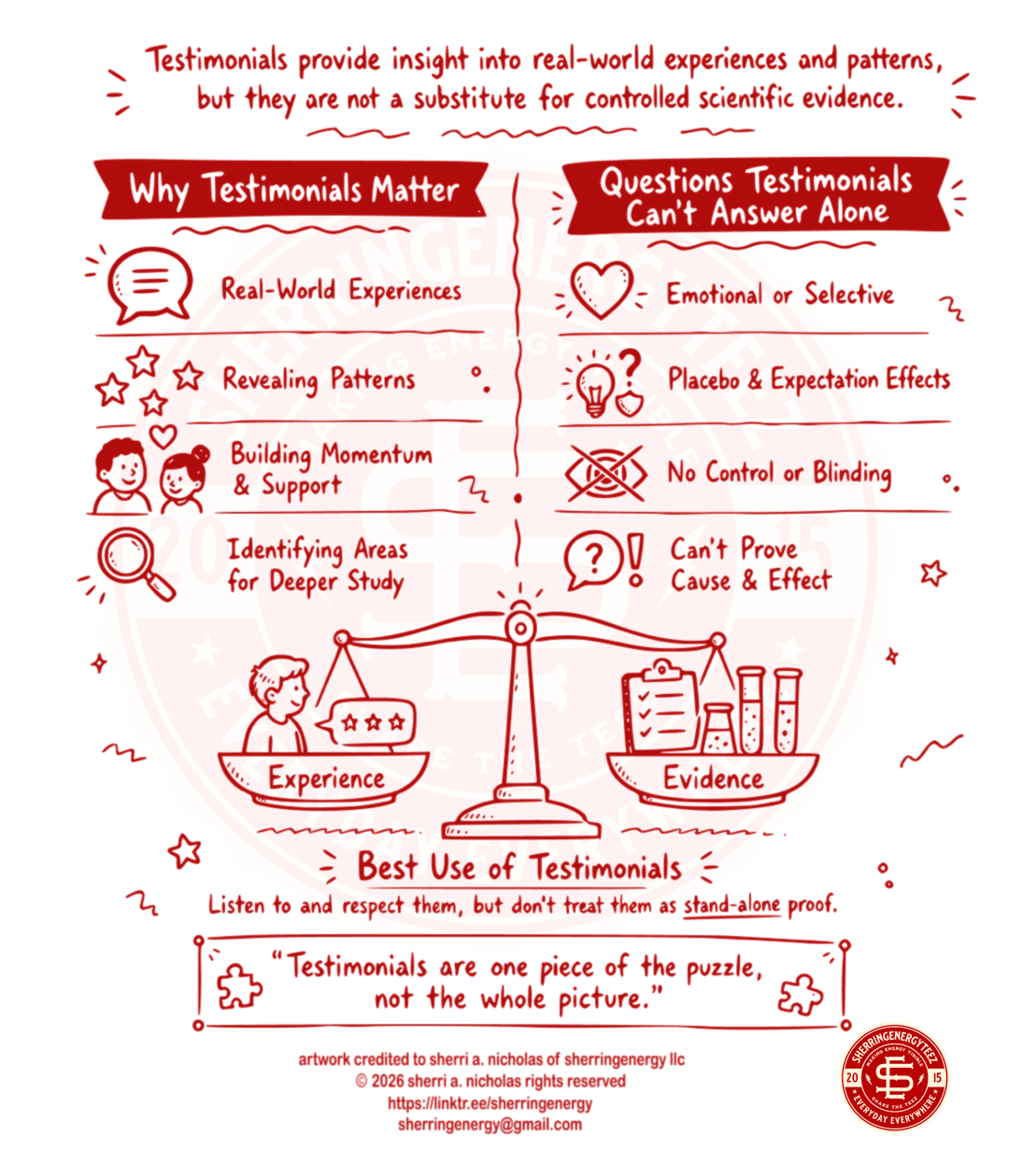
Testimonials are not bad. They can be useful. They show real-world experiences. They can reveal patterns. They can build momentum and confidence. Sometimes they are the first sign that something deserves closer attention.
But testimonials are also not the same thing as controlled evidence.
People can be influenced by excitement, expectation, timing, lifestyle changes, sales energy, or a desire to belong to something that feels hopeful. Some stories are completely genuine and still not scientifically reliable on their own. Some are exaggerated. Some are selective. Some leave out the bigger picture.
So testimonials should not be treated like proof, but they also should not be mocked like they mean nothing. They are one piece of the puzzle.
The problem is when the wellness world leans on testimonials without enough education, and when critics dismiss them without understanding why they matter to people. Both sides miss something.
Why this space feels like the Wild West
The wellness world can feel messy because in a lot of ways, it is. There is a mix of real help, overclaiming, personal experience, business momentum, inconsistent education, and uneven understanding of the body.
A product may work because of the product itself.
It may work because the person uses it consistently.
It may work because they become more committed to their health overall.
It may work because stress comes down and the nervous system shifts.
It may work because several of those things happen together.
That is why understanding how the body works matters so much.
It matters for:
- the seller, so they do not overstate what they do not understand
- the buyer, so they can make informed choices
- the audience, so they can evaluate claims with some common sense
- the company, so it knows how to educate responsibly
Consistency and commitment matter a lot in wellness. People often want instant proof for things that work more gradually and systemically. That does not excuse weak products. But it does explain why outcomes are not always as simple as people want them to be.
6a96d2b0e3cbd_lg.png)
My Own Experience
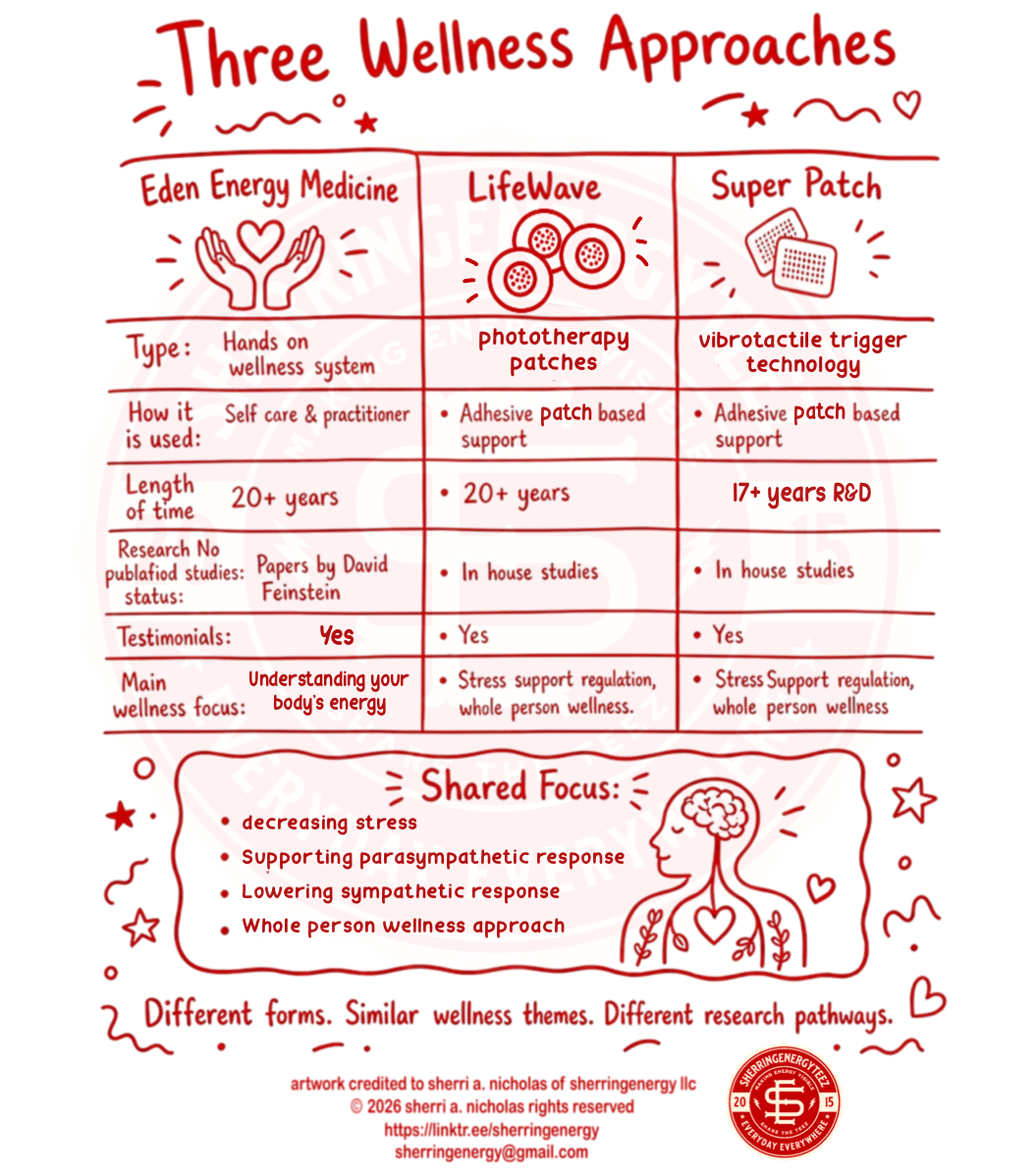
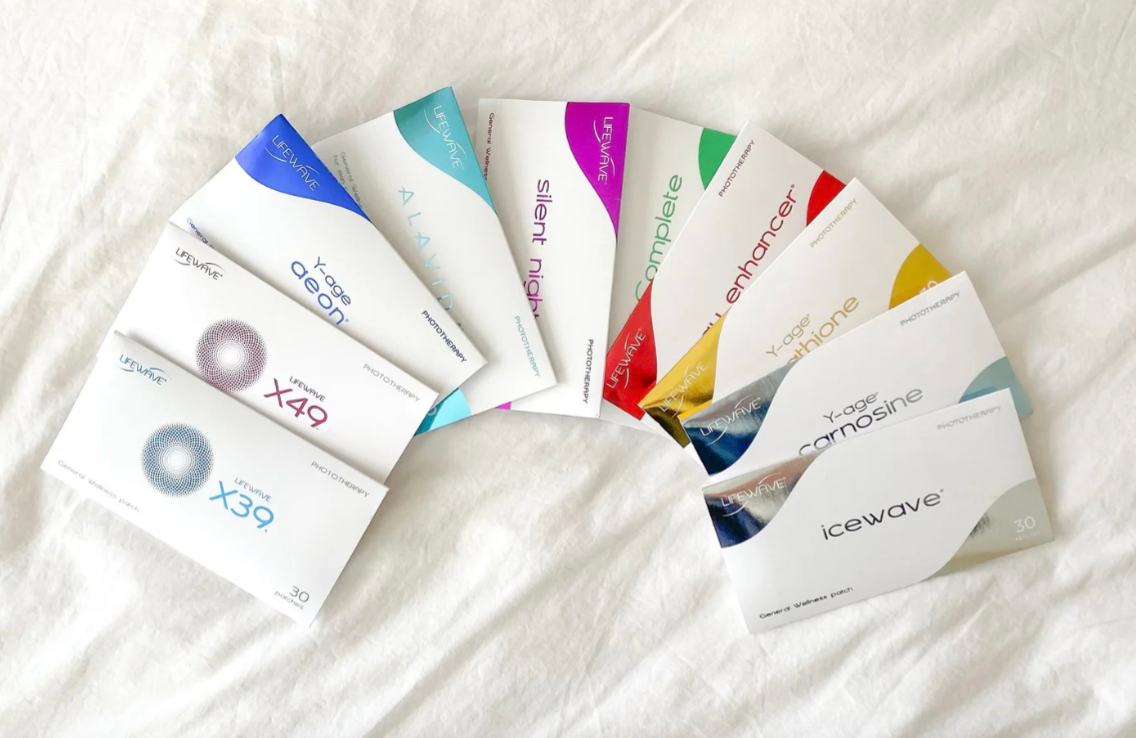
There are three wellness products and systems I use regularly: Eden Energy Medicine, LifeWave patches, and Super Patches.
All three sit within the wellness world. All three have strong testimonial culture around them. And all three share at least one very similar focus in an important area: helping decrease stress, calm the sympathetic nervous system response, and support a stronger parasympathetic response. That matters, because stress physiology affects far more than people often realize.
They are not all the same, though.
Eden Energy Medicine, also known as the Eden Method, is different because it is hands-on. It includes both self-care practices and practitioner-based techniques. LifeWave and Super Patch are wearable wellness products, and both have in-house studies. LifeWave and Eden have also been present in the wellness industry for more than 20 years, which matters when looking at how a product or method develops over time, how people use it, and how testimonial culture builds around it.
It is also worth saying clearly that Eden does not currently have published research studies in the same way people often look for with products or devices. At the same time, there have been papers written and published by David Feinstein—psychologist, husband of Eden Energy Medicine’s Founder Donna Eden, and someone who has written extensively and objectively on Eden Energy Medicine and EFT. That does not make the conversation finished, but it does add context for people trying to understand the research pathway in this space.
That is part of why I wanted to write this blog in the first place. Before people start debating specific products or methods, it helps to understand how research often unfolds in wellness, what different kinds of evidence can and cannot tell us, and why the conversation is usually more layered than people make it sound.
My Conclusion
The conversation around wellness research needs more maturity.
Saying “the company paid for it” is not enough. Saying “people gave testimonials” is not enough either. If people want to talk seriously about evidence, they need to understand how research is funded, how studies evolve over time, what publication does and does not prove, and where testimonials fit into the bigger picture.
Wellness is not helped by blind belief. It is also not helped by shallow criticism pretending to be informed.
The better approach is simple: look at the study design, understand the limits, pay attention to real-world patterns, respect testimonials without worshipping them, and know enough about the body to understand why stress, regulation, and consistency matter in the first place.
That is a more honest way to think about wellness.
And for me, this is also a starting point. I’ll be building from here and looking more closely at the research, claims, and real-world use surrounding LifeWave, Super Patch, and Eden Energy Medicine—not to overstate anything, but to create a more informed conversation for people who are genuinely trying to understand what they are looking at.
6a96e2d1e63e3_lg.png)
“The greatest enemy of knowledge is not ignorance, it is the illusion of knowledge.”
— Daniel J. Boorstin
SHERRINGENERGYTEEZ LINKTREE
Try Super Patch with SherringSensorySignals
Try LifeWave with SherringLifeWaves
©2026 Sherri A Nicholas All Rights Reserved
Categories: : Blog, Doodle, Eden, Lifewave, Research Breakdown, Super Patch
People throw around “the company funded the study” like that ends the conversation. Early research is often funded by the company because ... ...

Nobel Prize-winning discovery of Piezo2 ionic channels revealed how touch becomes electricity in the body. SuperPatch VTT speaks that ...

SuperPatch uses the science of touch—unlocked by the Nobel discovery of Piezo2—to help your brain and body function better, naturally.
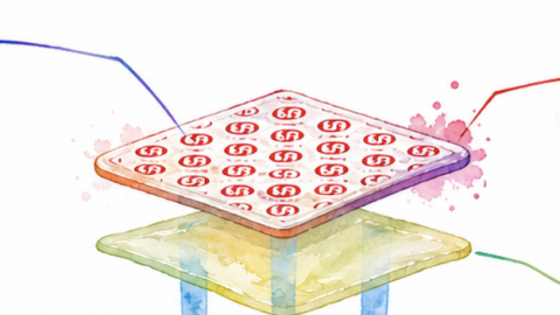
SuperPatch’s VTT is a breakthrough in drug-free, wearable wellness-using the science of touch to help your brain and body function at their b ...

Brief overview of The Case of Eden Energy Medicine (EEM) based on published review article. Part 3 of 3

The Wayne Cook Posture technique promotes relaxation, focus, and mental clarity.