
Doodle Teez or Blog
SherringenergyTeez is a creative endeavor to make a visual resource of energy medicine and this blog spot is a place to share information and stories with our personal journey to understanding energy medicine. Sharing everything energy and anything creative that makes remembering easier and fun. Doodle, Teez or Blog will be sometimes doodles, sometimes drawings, sometimes blogs, cheatsheets of energy techniques or research study breakdowns and wearable conversation starters with a some kind of energy connection. A place to learn how energy has a relationship in the physical world having a way to easily share.
Making energy visible is the goal and sharing is the vehicle ...

Part 3: Independent Research Usually Comes Later
 Sherri A. Nicholas
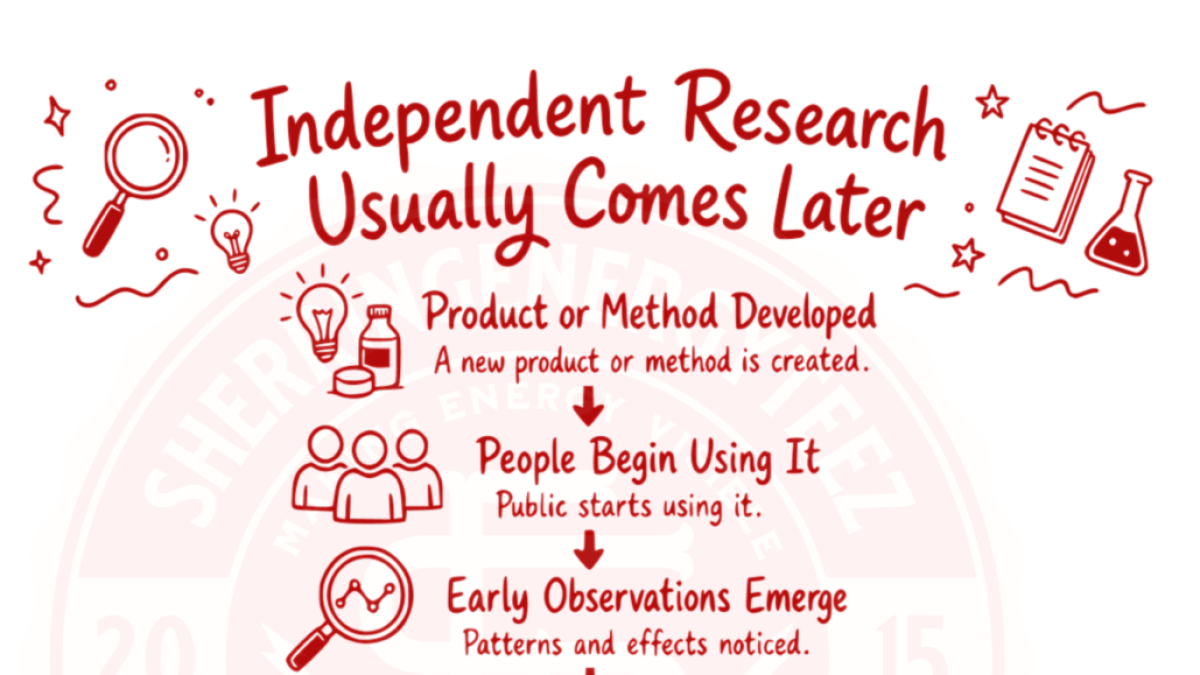
One thing a lot of critics get wrong about wellness research is the assumption that if independent studies do not already exist, then a product ....
This series is my attempt to create a more informed conversation around wellness research. Too often, people use oversimplified arguments about studies, testimonials, and credibility without really understanding how research pathways work—especially in the wellness world. In these posts, I’m breaking down the bigger picture: company-funded research, published vs. in-house studies, why independent research often comes later, the whole-person model in wellness, the role of testimonials, and the context behind the three wellness approaches I personally use.
One thing a lot of critics get wrong about wellness research is the assumption that if independent studies do not already exist, then a product or method has no real value. That sounds logical on the surface, but it leaves out how research often develops in the real world .
Independent research is important. It adds distance, broader credibility, and a different level of scrutiny. But it usually does not show up at the very beginning. More often, it comes later—after a product is already being used, talked about, observed, and paid attention to .
That is especially true in wellness, where products are often paid for out of pocket and sit outside the traditional medical system. Big outside funding is not easy to secure for something that does not already have attention, traction, or some kind of clear incentive attached to it .
So when people say, “Well, where are the independent studies?” sometimes the honest answer is: that part often comes later.
Research usually builds in stages
One of the biggest problems in these conversations is that people expect research to arrive fully formed. They want the final layer before they are even willing to acknowledge the earlier ones.
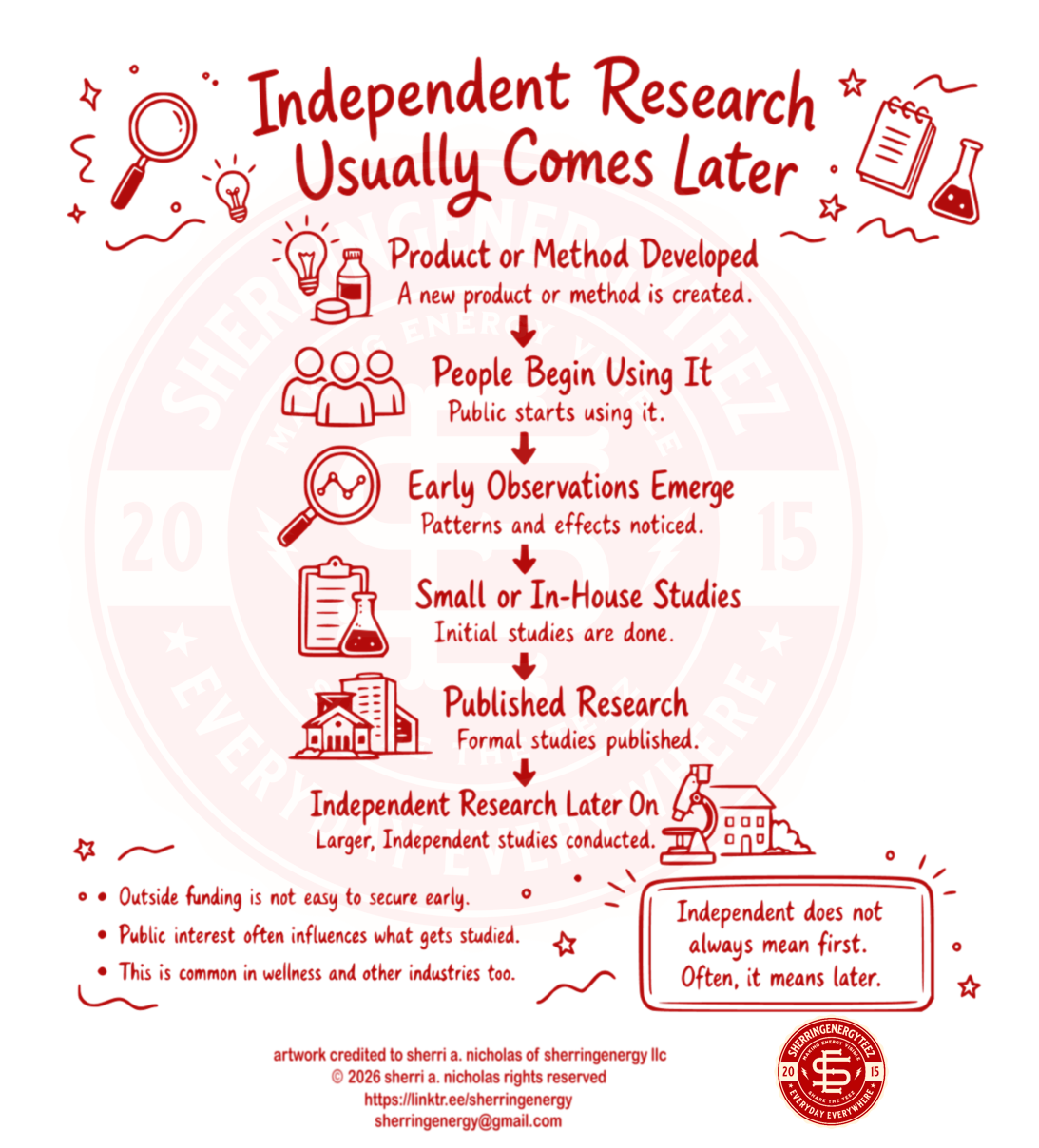
Research usually builds in stages, especially in wellness.
- a company develops something
- people start using it
- early results and patterns show up
- small studies begin
- published research may follow
- independent interest sometimes comes later
That is not some strange or suspicious process. That is a very normal progression .
A lot of products do not begin with independent institutions lining up to study them. They begin with use, observation, response, and enough curiosity to justify taking the next step. That does not mean every product works. It means that independent research is usually part of a later phase, not always the first one.
Independent does not mean immediate
This is where I think people oversimplify things.
They hear “independent research” and treat it like the only type of evidence that matters. Again, I understand why independent work is valued. It should be valued. But expecting it to be there immediately can show a misunderstanding of how research pathways actually unfold .
Someone has to decide a product is worth studying. Someone has to care enough to spend time, money, and institutional effort on it. And in the wellness world, that often does not happen until there is already enough visible use, enough testimonials, enough internal data, or enough growing interest to make that effort seem worthwhile .
So if a product is early in that process, it may not have independent research yet. That is not the same thing as saying there is nothing there. It may simply mean it has not reached that stage .
That distinction matters.
Why outside funding often comes later
A lot of people talk about independent studies as if they appear automatically when something is promising. They don’t.
Outside funding is competitive. Research institutions have limited time, limited money, and their own priorities. In wellness especially, if something does not already have public attention or a strong profit model tied to large systems, it may sit outside the normal pipeline for a while .
That is one reason early research is so often internal or company-funded in the first place. A company may be the only group motivated enough to start gathering information early on. Then, if use grows and patterns become more visible, broader interest may follow .
That does not guarantee independent research will come. And it does not prove the product is effective. But it does explain why the absence of independent research in the early stages is not especially shocking.
Wellness often gets judged by a standard people do not apply consistently
This is another part of the conversation that gets missed.
People often hold wellness products to a strange standard where they want broad independent validation right away, but they do not always stop to think about whether that expectation matches how things are usually studied in the first place. Your blog makes the point that research is more like building a case over time than delivering a final verdict overnight .
That is such an important frame.
A company study may be an early clue. A published paper may add another layer. Testimonials may show what people are noticing in real life. Independent research may come later. None of those pieces should stand alone, but together they can begin to form a fuller picture .
That is a much more realistic view than pretending everything begins with perfect outside validation.
Real-world use often comes before broad outside interest
In the wellness world, people often try things before institutions pay attention. That is just reality. Products are used in homes, shared through communities, talked about through testimonials, and observed through lived experience long before formal research catches up .
That can be frustrating for people who want everything settled before anything is used. But it is also how many wellness spaces function. Real-world use often creates the first wave of interest. Then patterns emerge. Then questions become sharper. Then research has something more specific to look at .
Again, that is not a free pass for weak claims. It is simply a more honest picture of how the process often works.
Absence of early independent research is not the whole story
“Not everything that is real is immediately measurable, and not everything measurable is fully understood.”
Sometimes critics treat the absence of independent research as if it settles the entire question. It usually does not. What it really tells you is that a product or method may still be early in its research pathway, still outside major funding interest, or still building enough visibility to attract broader study .
That should lead to better questions, not automatic conclusions.
Questions like:
- What stage is this product in?
- Is there early data worth paying attention to?
- Are there consistent patterns showing up?
- Is the company overstating the evidence?
- Does this seem like something that deserves more study?
Those questions are more useful than simply acting like “not independently studied yet” means “case closed.”
Research Matters
Independent research matters, but it usually comes later, not first.
In wellness especially, products are often used, observed, and discussed long before outside institutions decide to study them. Funding, public attention, and practical interest all influence what gets researched and when. That does not mean people should stop asking for stronger evidence. It just means they should understand where in the process they are looking.
Research is rarely one event. It is a progression .
And if people want to think clearly about wellness research, they need to stop expecting every product to begin at the final stage.
Next in this series: why wellness often looks at the whole person—and why that matters when people are trying to understand stress, nervous system regulation, and what wellness is actually aiming to support .
Once you understand how research develops over time, it makes more sense to look at what wellness is often trying to address in the first place—and why whole-person wellness matters.
Next in this series: Part 4: Wellness Often Looks at the Whole Person
“The greatest enemy of knowledge is not ignorance, it is the illusion of knowledge.”
— Daniel J. Boorstin
6a96e2d1e63e3_lg.png)
Super Patch Blogs
Find Your Super Patches - Quiz
Try Super Patch with SherringSensorySignals
Super Patch Conversation Starters
SHERRINGENERGYTEEZ LINKTREE
©2026 Sherri A Nicholas All Rights Reserved

Categories: : Blog, Doodle, Lifewave, Research Breakdown, Super Patch
The PEACE Patch, powered by haptic Vibrotactile Technology (VTT), significantly reduced anxiety and improved mental health in adults,
PEACE Patch offers user-friendly, and effective approach to managing anxiety—backed by promising clinical data and high and high user s ...
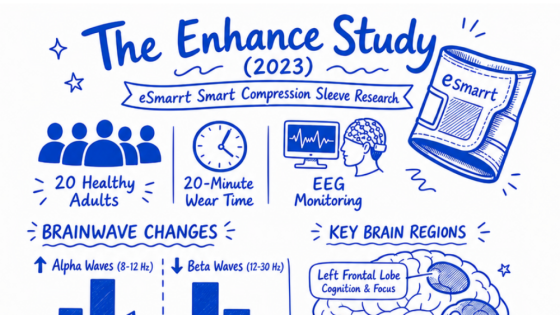
What Happens to the Brain When You Wear a Vibrotactile Sleeve? A simple breakdown of a small EEG study on haptic vibrotactile trigger ...
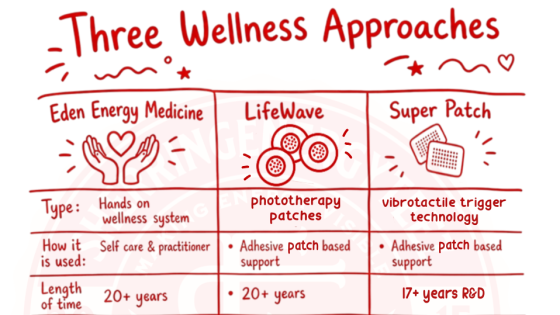
The three wellness approaches I use regularly are Eden Energy Medicine, LifeWave, and Super Patch...
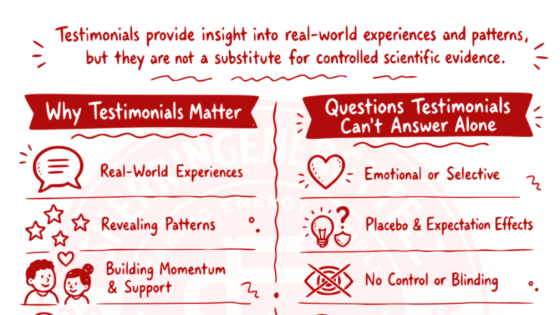
Testimonials are a huge part of the wellness world, and especially of network marketing culture . They help create momentum ...
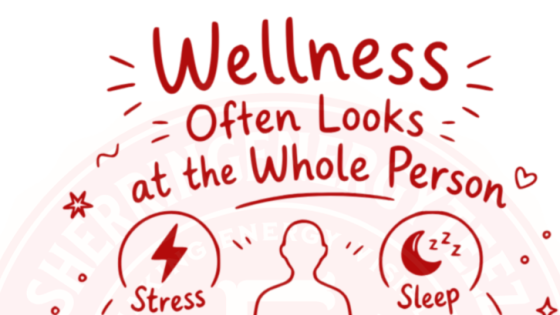
One of the things the wellness industry gets right, when it is operating at its best, is that it often looks at the whole person instead of ...