
Doodle Teez or Blog
SherringenergyTeez is a creative endeavor to make a visual resource of energy medicine and this blog spot is a place to share information and stories with our personal journey to understanding energy medicine. Sharing everything energy and anything creative that makes remembering easier and fun. Doodle, Teez or Blog will be sometimes doodles, sometimes drawings, sometimes blogs, cheatsheets of energy techniques or research study breakdowns and wearable conversation starters with a some kind of energy connection. A place to learn how energy has a relationship in the physical world having a way to easily share.
Making energy visible is the goal and sharing is the vehicle ...

Part 2: Published Papers and In-House Studies Both Matter
 Sherri A. Nicholas
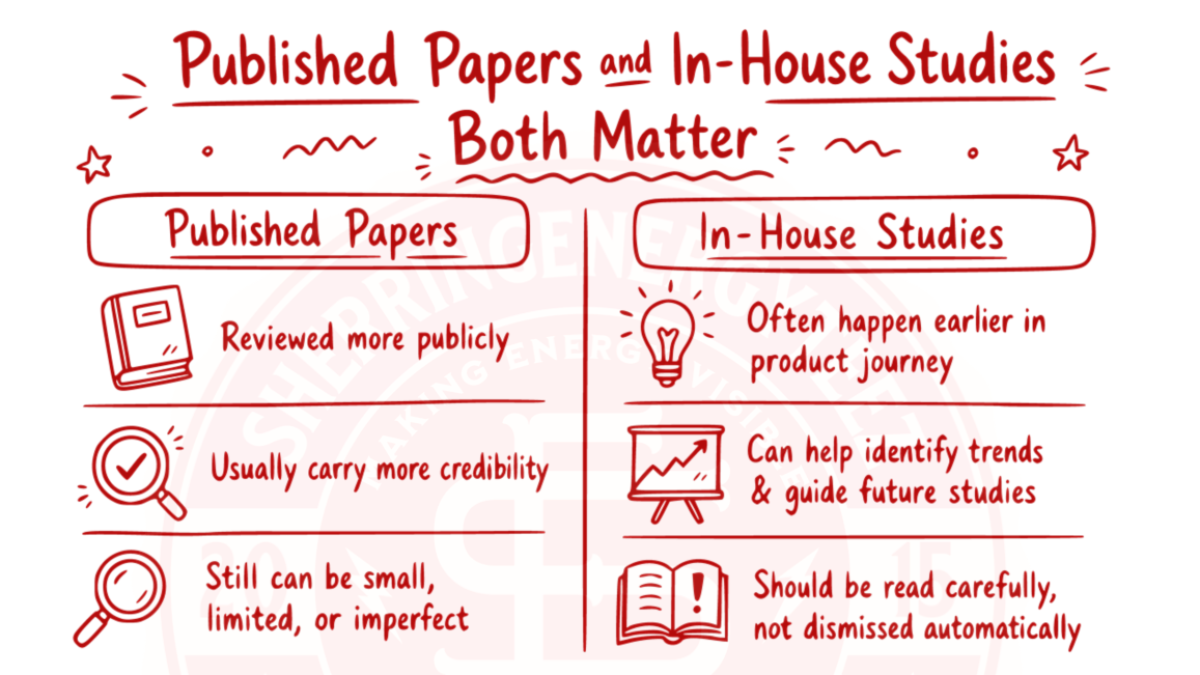
Published papers do matter. They usually go through more public review and scrutiny, and that gives them more credibility in the larger conversation.
This series is my attempt to create a more informed conversation around wellness research. Too often, people use oversimplified arguments about studies, testimonials, and credibility without really understanding how research pathways work—especially in the wellness world. In these posts, I’m breaking down the bigger picture: company-funded research, published vs. in-house studies, why independent research often comes later, the whole-person model in wellness, the role of testimonials, and the context behind the three wellness approaches I personally use.
One of the laziest ways people talk about research is by acting like there are only two categories: published means real, and in-house means worthless. That may sound clean and simple, but it is not actually how research works.
Published papers do matter. They usually go through more public review and scrutiny, and that gives them more credibility in the larger conversation. But published does not automatically mean flawless. Small studies get published. Weak studies get published. Biased studies get published. Publication matters, but it is not magic.
The same is true on the other side. In-house studies are not the final word, but they are not meaningless either. Especially in the earlier stages, they can help companies identify patterns, refine how a product is used, and decide whether something is worth studying further. They can offer signals, even if they are not enough to settle the whole conversation.
That is where I think a lot of people miss the point. They want a shortcut. They want one label that tells them what to think. But research does not really work like that. A published paper can still be limited. An in-house study can still be useful. The better question is not just where it appeared. The better question is how it was done.
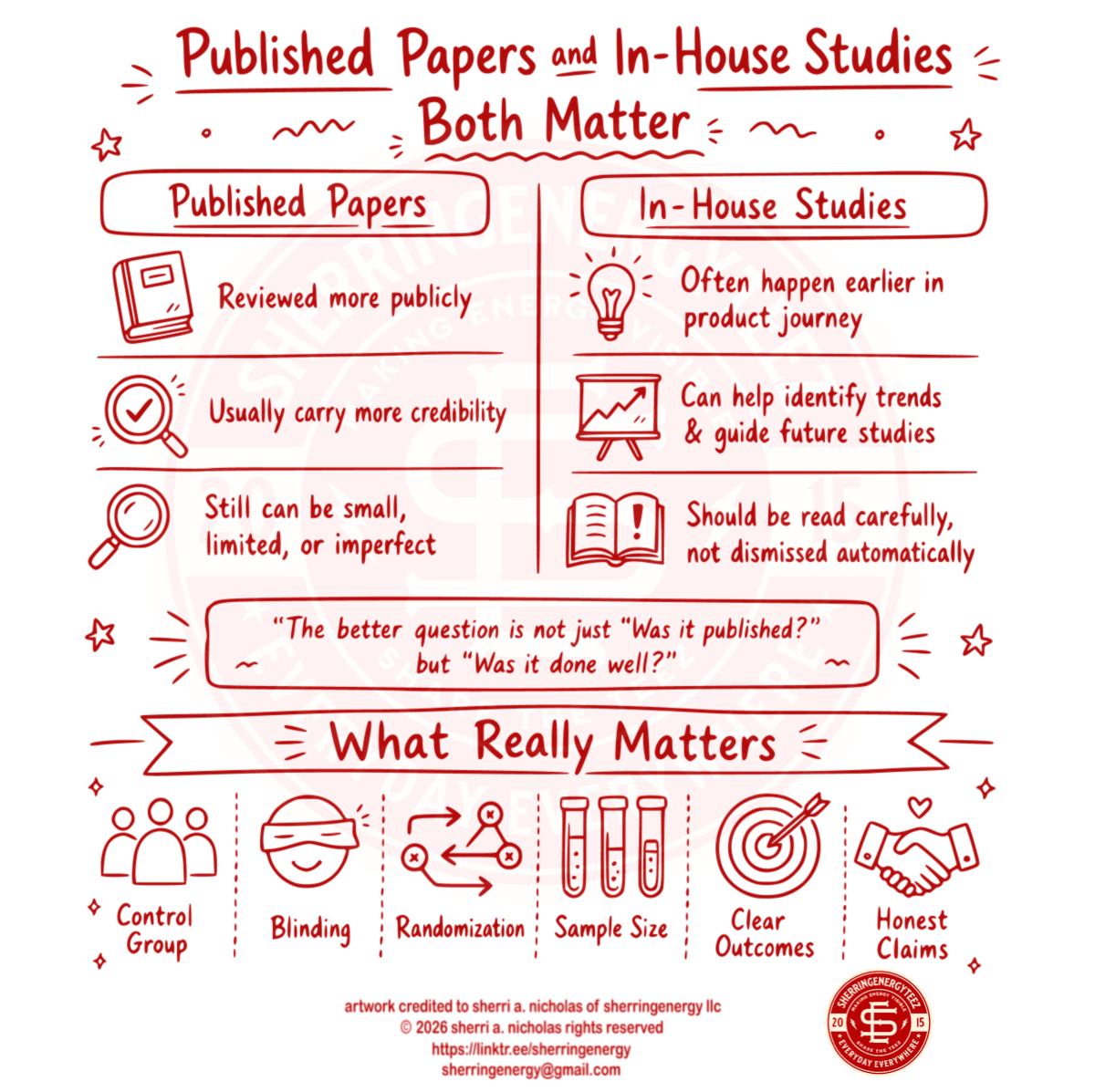
Publication gives weight, not perfection
I think people sometimes treat publication like a stamp that removes all uncertainty. It does not.
Publication can mean a study has been reviewed, discussed, and made more visible to a broader audience. That matters. It adds accountability. It also helps move the conversation beyond private company data into a more public space.
But a published paper is still only as strong as its design, its methods, and the honesty of its conclusions. If the sample size is too small, if the outcomes are vague, if the controls are weak, or if the claims go beyond the data, publication does not fix those problems.
That is why I think people need to stop using “published” like it means “settled.” It does not. It means the study is part of the conversation in a more formal way. That is valuable, but it is not the same thing as absolute proof.
In-house studies are often early-stage tools
This is the part people dismiss too quickly.
In-house studies are often part of the early research pathway. They help companies see if there is enough consistency, enough response, or enough direction to justify investing more time and money into further study. They can help shape better future research questions. They can also help a company understand whether a product is being used in a way that matches its intended purpose.
That does not mean in-house studies should be treated like final proof. It means they have a role.
A lot of critics want to skip over that role because it is easier to mock internal research than to evaluate it honestly. But if people actually care about how evidence develops, they should be able to recognize early-stage evidence for what it is: limited, useful, incomplete, and sometimes important.
That is a more mature way to think about it.
The real issue is study quality
This is the part I keep coming back to: was it done well?
That question matters more than people realize. It matters more than whether the study is dressed up in formal language. It matters more than whether somebody uses the word “published” like a badge. And it matters more than the knee-jerk reaction people have when they hear the company was involved.
If someone wants to evaluate a study intelligently, these are the kinds of questions that actually help:
- Was there a control group?
- Was it blinded?
- Was it randomized?
- Was the sample size meaningful?
- Were the outcomes clearly measured?
- Were the claims bigger than the actual data?
Those questions are a lot more useful than just picking a side and defending it.
Because the truth is, a weak published study is still weak. And a well-designed in-house study may still contribute something useful, even if it is not the final answer. That does not mean all studies are equal. It means people should know what they are looking at before they start dismissing or defending anything.
Why this matters in the wellness world
This matters even more in wellness because so much of the conversation gets polarized fast.
On one side, people use “published” as a kind of weapon, as if anything outside of formal publication has no value at all. On the other side, some people in wellness treat any positive internal data like complete validation. Both reactions are too simplistic.
The wellness space needs people who can think with more nuance than that.
Some products and methods are early in their research pathway. Some have been around longer but still do not have the kind of published material critics want to see. Some have strong testimonial cultures that keep them visible while the formal research side develops more slowly. That is exactly why understanding the difference between published and in-house evidence matters.
It helps people avoid two bad habits:
- dismissing too quickly
- believing too quickly
Neither one is thoughtful.
Research is built in layers
One of the lines from your original piece that really captures this well is the idea that research is more like building a case over time than delivering a final verdict overnight. A company study might be the first clue. A published paper adds another layer. Testimonials show what people are noticing in real life. Independent research may come later. None of those pieces should stand alone, but together they can start to show a fuller picture.
That is the framework I think more people need.
Not everything starts with a perfect published paper. Not everything ends with one either. Sometimes the real work is learning how to hold different layers of evidence in the right proportion.
That means:
- published research should be respected
- in-house research should be examined, not automatically discarded
- testimonials should be noticed, but not treated like proof
- patterns should lead to better questions, not exaggerated conclusions
That kind of thinking is harder than using slogans, but it is also a lot more honest.
It All Matters
Published papers matter. In-house studies matter too. They do not play the same role, and they should not be treated the same way, but both belong in the larger conversation about how evidence develops.
Publication gives a study more visibility and more public credibility, but it does not make it flawless. In-house research may be limited and early, but it can still help identify patterns, shape better questions, and point toward what deserves further study.
So instead of asking only, “Was it published?” a better question is, “Was it done well, and what role does this study play in the bigger picture?”
That is a much stronger way to think about research.
If both published and in-house studies have a role, the next piece to understand is why independent research usually comes later, not first.
Next in this series: Part 3: Independent Research Usually Comes Later
“The greatest enemy of knowledge is not ignorance, it is the illusion of knowledge.”
— Daniel J. Boorstin
6a96e2d1e63e3_lg.png)
Super Patch Blogs
Find Your Super Patches - Quiz
Try Super Patch with SherringSensorySignals
Super Patch Conversation Starters
SHERRINGENERGYTEEZ LINKTREE
©2026 Sherri A Nicholas All Rights Reserved

Categories: : Blog, Eden, Lifewave, Research Breakdown, Super Patch

The PEACE Patch, powered by haptic Vibrotactile Technology (VTT), significantly reduced anxiety and improved mental health in adults,

PEACE Patch offers user-friendly, and effective approach to managing anxiety—backed by promising clinical data and high and high user s ...

What Happens to the Brain When You Wear a Vibrotactile Sleeve? A simple breakdown of a small EEG study on haptic vibrotactile trigger ...
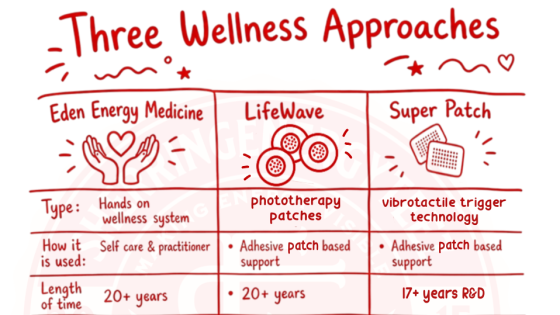
The three wellness approaches I use regularly are Eden Energy Medicine, LifeWave, and Super Patch...
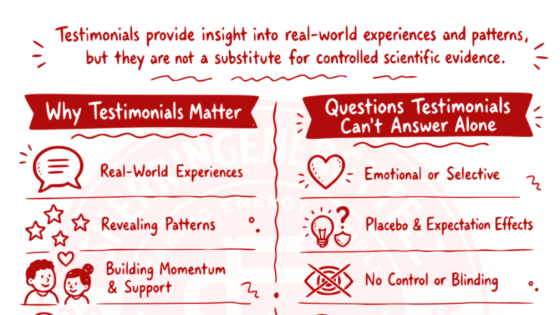
Testimonials are a huge part of the wellness world, and especially of network marketing culture . They help create momentum ...
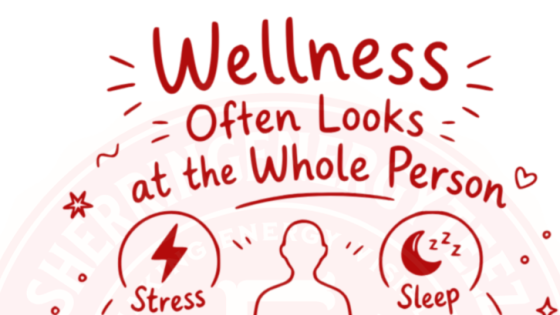
One of the things the wellness industry gets right, when it is operating at its best, is that it often looks at the whole person instead of ...